Key Highlights
- Pregnancy hormones accelerate nail growth but compromise structural integrity.
- Increased blood volume and estrogen levels trigger unpredictable nail changes.
- Many pregnant people experience horizontal ridges, peeling layers, and splitting.
- These frustrating nail changes typically resolve within three to six months postpartum.
- Keeping nails trimmed short reduces the mechanical stress that causes splitting.
- Acetone-free nail polish removers help prevent further drying of brittle nails.
We do the research. You do the parenting.
The Part Nobody Prepared You For
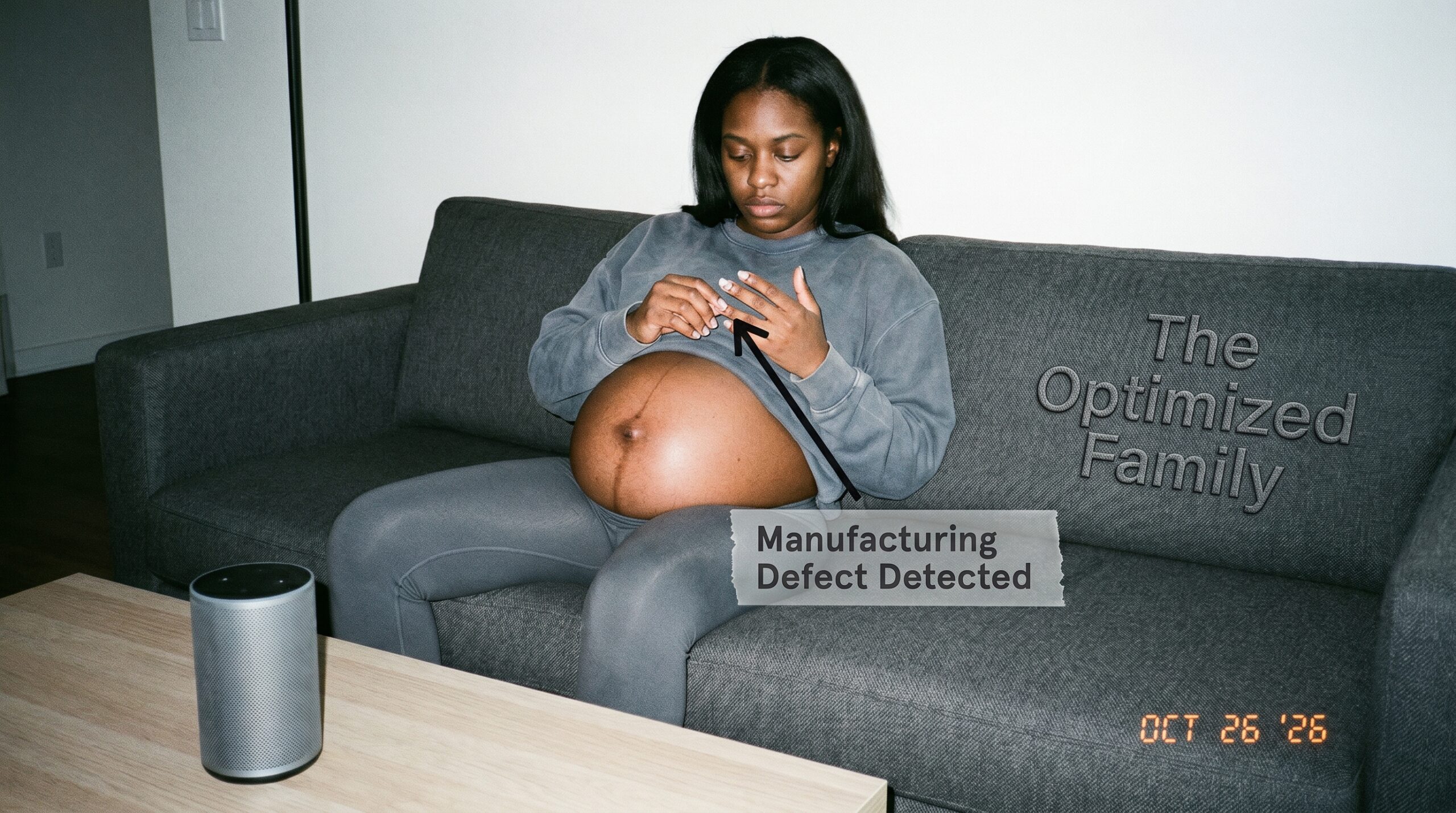
You expected the expanding waistline, but nobody warned you that your fingernails would suddenly start peeling like cheap plywood. While some people get the mythical pregnancy glow and indestructible claws, you are watching your nails split, crack, and develop weird horizontal ridges every time you open a cardboard box.
It feels like a small betrayal. You are already surrendering your joints, your sleep, and your bladder capacity. Now, your hands look like they belong to a Victorian ghost. The reality is that your body is redirecting its resources, and structural nail integrity simply did not make the priority list.
What Your Body Is Actually Doing
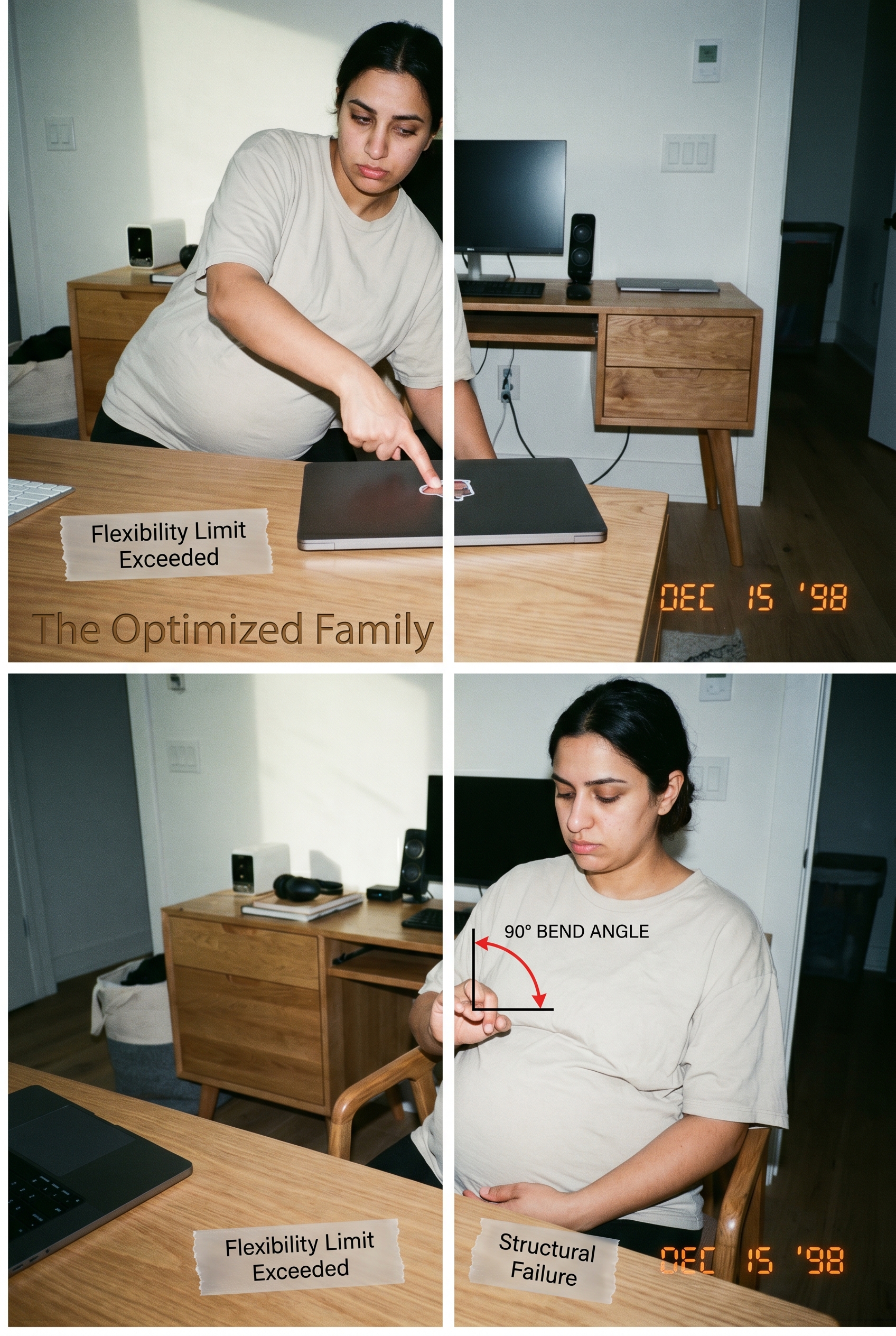
Massive surges in pregnancy hormones and a dramatic increase in blood volume are forcing your nails to grow at an accelerated rate. Unfortunately, this rapid production often sacrifices quality for speed, resulting in nails that are structurally compromised, brittle, and prone to flaking apart in thin, sad layers.
Think of your nail beds as a factory running on triple shifts. According to the American College of Obstetricians and Gynecologists, the same hormonal fluctuations that affect your hair growth cycle are driving this chaotic nail production. Because your blood volume increases by up to 50 percent during pregnancy Source, the delivery system to your extremities is working in overdrive.
- Estrogen spikes force the nail matrix to pump out keratin faster than usual.
- The rapid growth outpaces the cellular bonding process, leading to weak structural links.
- Everyday friction easily breaks these weak links, causing peeling and splitting.
| Nail Symptom | What It Looks Like | Why It Happens |
|---|---|---|
| Beau’s Lines | Deep horizontal grooves across the nail | Temporary interruptions in nail growth from physical stress |
| Leukonychia | Random white spots or lines | Minor trauma to the nail matrix during rapid growth |
| Onychoschizia | Peeling at the tips in thin layers | Moisture loss and weakened cellular bonds |
The Emotional Weight Of It
Watching your body fall apart in microscopic ways carries a surprisingly heavy emotional toll. It is completely normal to feel intensely frustrated over a broken fingernail when that fingernail represents your broader loss of physical autonomy. You are tired, and these crumbling nails are just one more thing to manage.
It is never just about the nail. It is about snagging your favorite sweater on a jagged edge while you are already running late to an appointment. It is the cumulative exhaustion of the third trimester manifesting at your fingertips. Give yourself permission to be annoyed by it.

What Helps (When Help Feels Impossible)
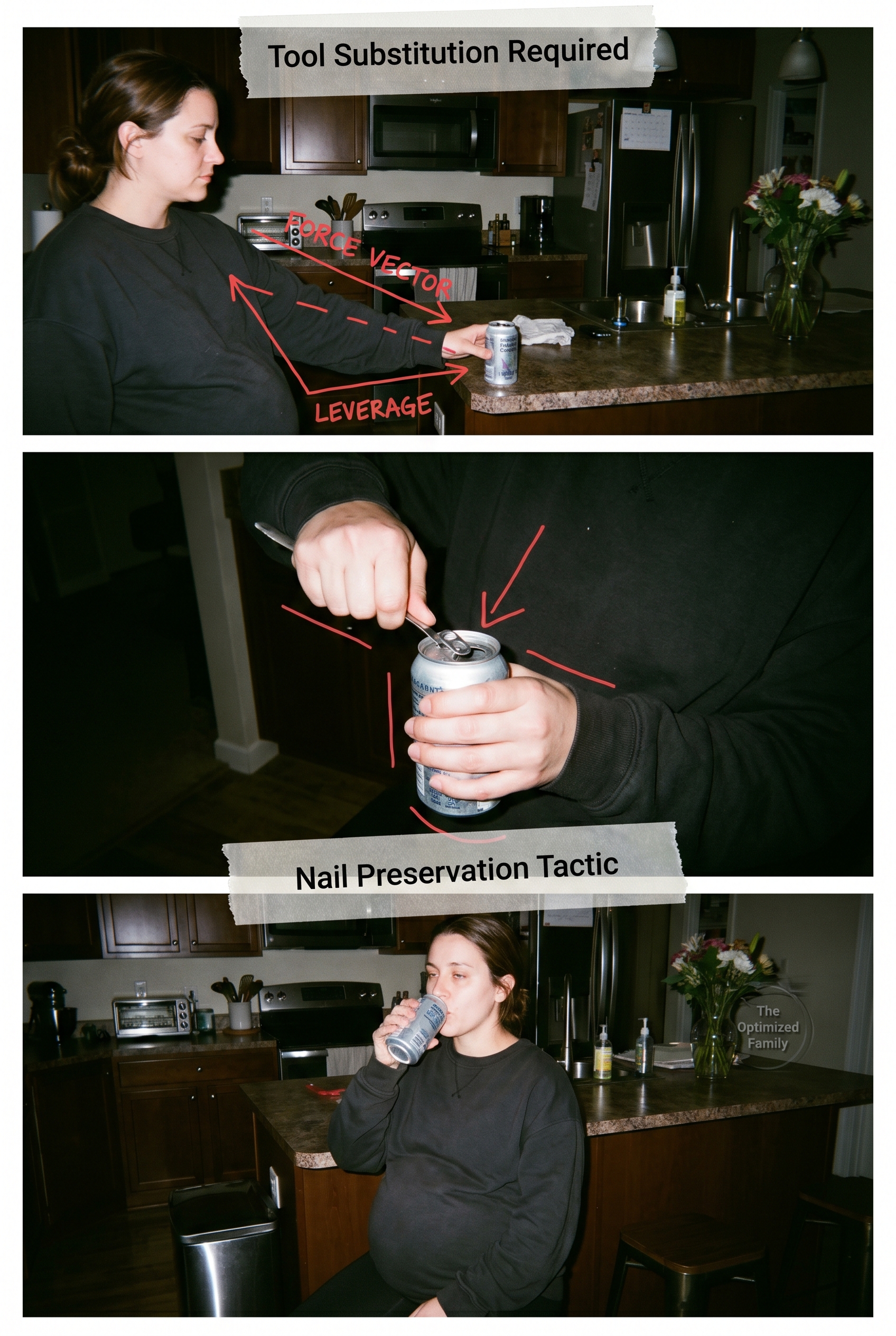
You cannot stop the hormonal train, but you can minimize the daily damage by keeping your nails trimmed extremely short and switching to acetone-free products. Avoiding harsh chemicals and reducing the physical leverage on the nail tip will significantly reduce how often they snag, tear, and break.
Biotin supplements are incredibly popular for nail strength, and standard doses are generally considered safe during pregnancy. However, evidence for their actual effectiveness remains limited, so do not expect an overnight miracle. Instead, focus on damage control.
- File rough edges immediately to stop a small split from traveling down the nail bed.
- Wear rubber gloves when washing dishes to prevent waterlogging the weak keratin.
- Apply a strengthening base coat to create a physical barrier against the elements.
- Trim nails straight across: Keep your nails short to reduce the leverage that causes them to bend and snap on everyday objects.
- Switch your polish remover: Throw out any acetone-based polish removers and replace them with acetone-free options that will not strip moisture from your nails.
- Apply a strengthening base coat: Use a clear, strengthening base coat to add a physical layer of protection against daily wear and tear.
- Moisturize the nail beds: Rub a thick, unscented lotion or cuticle oil into your nail beds every night before you go to sleep.
Red Flags That Cannot Wait
While brittle, splitting nails are a standard pregnancy nuisance, severe discoloration or sudden separation from the nail bed warrants an immediate call to your provider. If your nails turn entirely white, dark brown, or develop painful swelling around the cuticles, you need professional evaluation rather than a new manicure.
Fungal infections and certain nutritional deficiencies love to crash the pregnancy party. If you notice thick, yellowing debris under the nail or red, throbbing skin around the borders, these symptoms warrant an immediate call to your provider. Do not attempt to fix suspected infections with internet hacks.
Questions Parents Actually Ask
Sleep-deprived parents constantly wonder if their ruined nails will ever return to normal or if this brittle state is permanent. They also question whether their prenatal vitamins are failing them and if it is safe to maintain their usual salon habits while their nails are in this fragile condition.
The good news is that this is temporary. Once the baby arrives and your body stops running its internal hormone factory at maximum capacity, your nails will slowly remember how to function correctly.
We do the research. You do the parenting.
Stop guessing at 2 AM. Get the visual playbook.
80+ peer-reviewed studies translated into visual shortcuts you can actually use, one-handed, with a baby attached to you.

Frequently Asked Questions
Will my nails ever go back to normal after pregnancy?
Yes, they will resolve. Most postpartum nail changes settle within three to six months after delivery as your hormone levels finally stabilize. The damaged portions will eventually grow out, and your nail matrix will return to producing structurally sound keratin.
Is it safe to get acrylic nails to hide the peeling?
While the occasional salon visit is generally fine in well-ventilated areas, applying heavy acrylics over already compromised, peeling nails can cause further damage. The harsh removal process, especially involving pure acetone, will strip away whatever moisture your brittle nails have left.
Should I take extra biotin to make them stronger?
Standard doses of biotin found in prenatal vitamins are considered safe, but taking massive extra doses has limited proven effectiveness for immediate relief. Always consult your provider before adding any new supplements, as high levels of biotin can alter lab results.
Why do I have weird white spots on my fingernails now?
Those white spots, known as leukonychia, are incredibly common during rapid nail growth. They are usually the result of minor physical trauma to the nail matrix. Because your nails are growing faster and weaker, even gently bumping your fingers can trigger these harmless spots.
Does drinking more water help stop the splitting?
Staying hydrated supports overall skin and nail health, but drinking water will not magically fuse your splitting nails back together. The structural weakness is driven by hormones and rapid growth, so physical protection like keeping them short is much more effective than over-hydrating.