
Key Highlights
- Third-trimester body odor changes are driven by hormones and increased sweat production.
- Your metabolic rate acts like a furnace, raising your body temperature significantly.
- Newborns rely on this pungent maternal scent to locate the breast for feeding.
- The smell is often described as metallic, oniony, or entirely unfamiliar to you.
- Breathable natural fibers and frequent gentle washing can help manage the intense scent.
- Foul-smelling discharge or sweet-smelling breath warrant an immediate call to your provider.
We do the research. You do the parenting.
The Part Nobody Prepared You For
You are googling this because you suddenly smell like an onion farm dipped in pennies, and you are terrified it is permanent. It is not. Third-trimester body odor changes are a jarring, pungent reality of late pregnancy, driven by biology preparing for your baby’s arrival.
Let us be entirely honest: pregnancy glow is a myth invented by people trying to sell you lotion. The reality of the third trimester is that you are essentially operating a human 3D printer, and the exhaust fumes are intense. You might catch a whiff of yourself and wonder if a stranger has somehow hidden in your sweater. It is jarring, it is weird, and it is completely biologically appropriate.
What Your Body Is Actually Doing
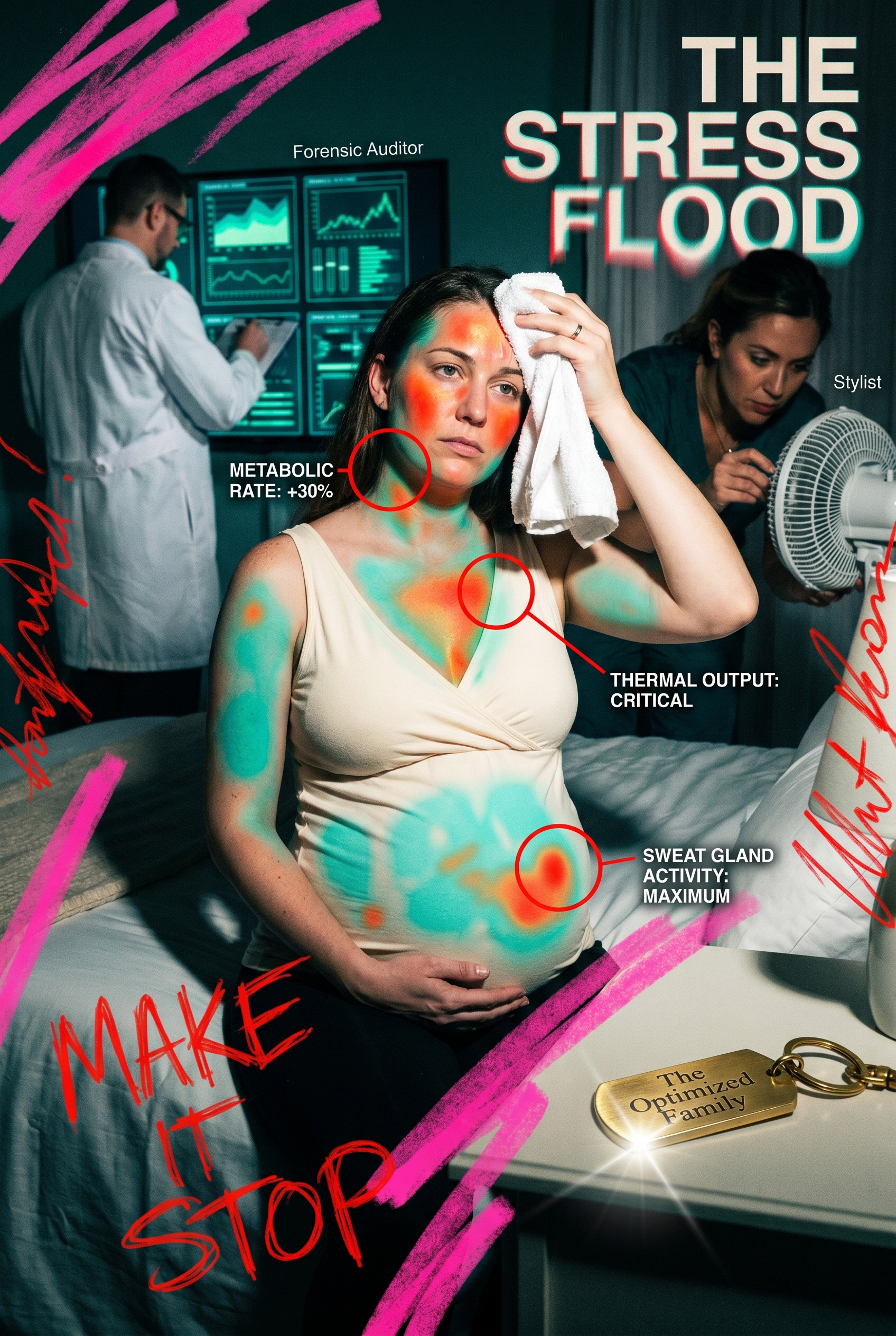
Your metabolic rate is running like a furnace, increasing your baseline temperature and sweat production. Simultaneously, massive hormonal shifts alter the chemical makeup of that sweat, while your vaginal microbiome changes to prepare the birth canal, creating an entirely new, often metallic, scent profile.
To understand the smell, you have to look at the math of making a human. During pregnancy, your basal metabolic rate increases by roughly 20 percent Source. This elevated internal thermostat means your body has to sweat more just to keep you from overheating.
But it is not just the volume of sweat; it is the recipe. Hormonal surges change the lipids and proteins excreted by your apocrine glands. When the bacteria on your skin feast on this new buffet, the byproduct is that sharp, oniony, or metallic aroma.
Furthermore, the grand design of this stench is actually a survival mechanism. Research indicates that newborns, who are essentially blind at birth, use smell as their primary tool for navigation Source. That pungent scent emanating from your skin acts as an invisible runway, guiding your baby directly to the breast for feeding. You do not just smell bad; you smell like a biological homing beacon.

The Emotional Weight Of It
Feeling betrayed by your own scent adds a heavy layer of isolation to an already exhausting trimester. It is completely normal to feel embarrassed or self-conscious when your body suddenly smells unfamiliar, especially when you lack the energy to shower multiple times a day.
You are already carrying the physical weight of a bowling ball on your pelvis. Adding the mental load of wondering if everyone in the grocery store can smell you is just cruel. It is isolating to feel like you cannot escape your own skin. Give yourself permission to be frustrated by this. You are allowed to hate the homing beacon.
What Helps (When Help Feels Impossible)
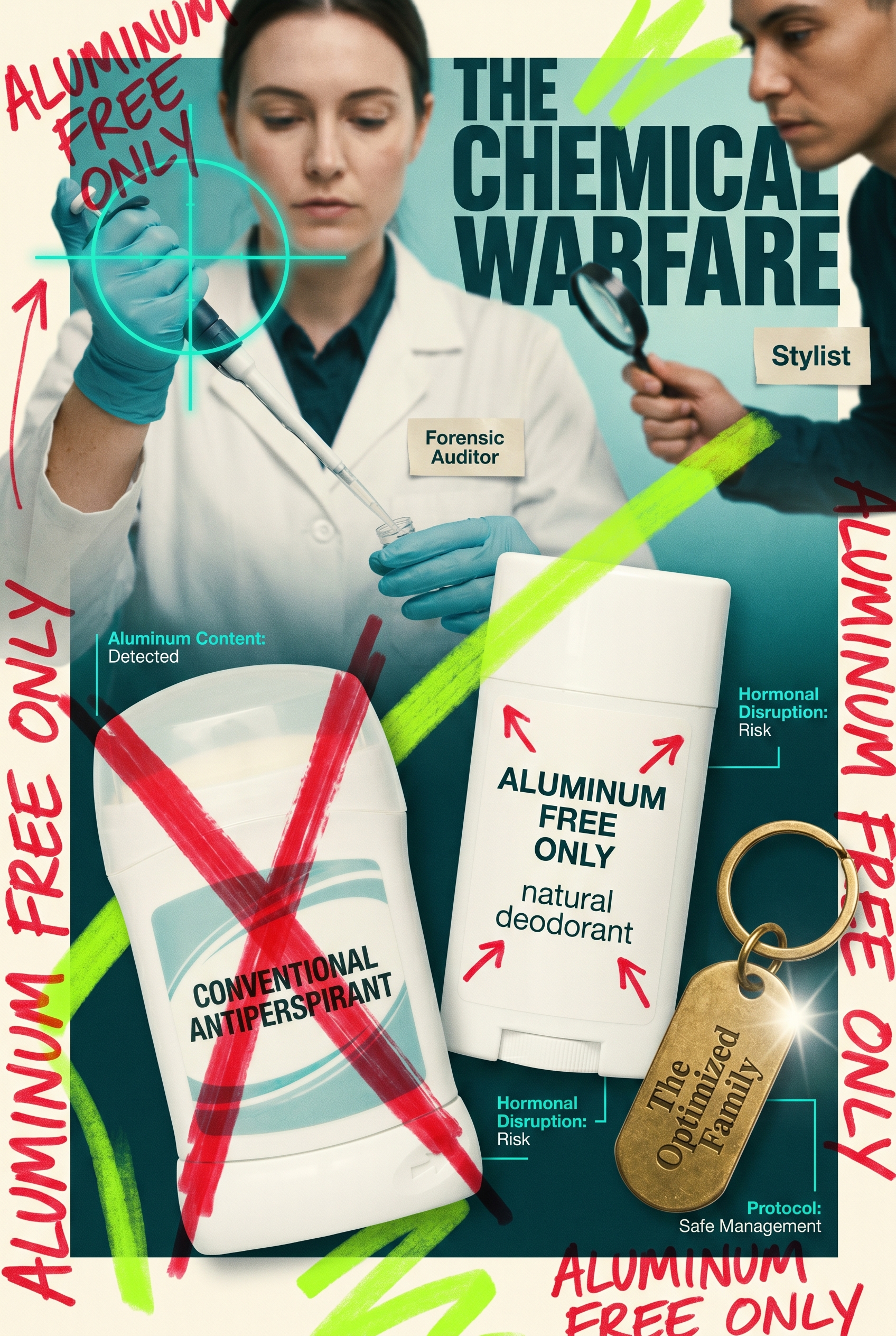
Managing this temporary scent shift requires focusing on breathable materials and strategic hygiene rather than masking it with heavy perfumes. Switching to natural fibers, utilizing gentle cleansing techniques, and choosing aluminum-free deodorants can significantly reduce the intensity while keeping your skin comfortable.
Do not try to drown the onion smell in floral body spray. You will just end up smelling like an onion in a botanical garden. Instead, focus on mechanical removal and airflow.
Here is what actually works to ease the situation:
- Swap out all synthetic fabrics for 100 percent cotton, linen, or bamboo.
- Keep unscented baby wipes in your bag for quick midday touch-ups.
- Drink cold water constantly to help regulate your core temperature from the inside out.
Many parents also choose to transition their personal care products during this time.
- Opt for aluminum-free deodorants to manage odor without plugging the sweat glands.
- Use mild, unscented soaps that will not disrupt your skin’s acid mantle.
- Change out of damp clothing the absolute second you finish a walk or wake up from a nap.
- Wear Breathable Fabrics: Swap synthetic materials for 100 percent cotton, linen, or bamboo clothing to allow sweat to evaporate rather than festering against your skin.
- Use Gentle Cleansers: Wash your body with mild, unscented soaps to avoid disrupting your skin’s natural pH, which can sometimes make the odor worse.
- Switch Your Deodorant: Apply an aluminum-free deodorant to help manage the smell without blocking sweat glands, which many parents prefer to avoid late in pregnancy.
- Change Damp Clothes Promptly: Remove sweaty clothes immediately after exertion or waking up hot, as lingering moisture creates a breeding ground for odor-causing bacteria.
Red Flags That Cannot Wait
While a new pungent scent is standard, certain odors or accompanying symptoms warrant an immediate call to your provider. Foul-smelling vaginal discharge, a sweet fruity breath scent, or sudden fever require prompt professional evaluation to rule out underlying infections or metabolic issues.
Not all smells are just the homing beacon at work. Some are your body’s alarm system. Because your vaginal microbiome undergoes significant shifts during pregnancy Source, it is crucial to know the difference between normal changes and signs that require professional evaluation.
| Odor Profile | Accompanying Symptoms | Action Required |
|---|---|---|
| Earthy, metallic, or onion-like | Heavy sweating, feeling hot | Normal. Use a fan and cry if needed. |
| Fishy or distinctly foul | Itching, burning, green or yellow discharge | Call your provider today. |
| Sweet, fruity breath | Extreme thirst, frequent urination | Warrants an immediate call to your provider. |
| Any new scent | Fever above 100.4 F, chills, pelvic pain | Go to emergency care or call the after-hours line. |
Questions Parents Actually Ask
Parents frequently worry about whether their new scent is normal or if it will last forever. Here are the most common questions about third-trimester body odor, answered with the latest clinical data so you can stop scrolling and get some rest.
We do the research. You do the parenting.
Stop guessing at 2 AM. Get the visual playbook.
80+ peer-reviewed studies translated into visual shortcuts you can actually use, one-handed, with a baby attached to you.

Frequently Asked Questions
Will this new body odor go away after I give birth?
Yes, this pungent phase is temporary. Once your hormones stabilize and your metabolic rate returns to its pre-pregnancy baseline, your familiar scent will return. This process typically resolves within a few weeks postpartum as your body flushes out the excess fluids.
Why do I suddenly smell like onions in my third trimester?
Massive hormonal shifts alter the chemical composition of your sweat. Combined with a pregnancy-induced increase in body temperature, your apocrine glands release different compounds that bacteria break down, resulting in that surprisingly sharp, onion-like aroma you are currently experiencing.
Is it safe to use my regular antiperspirant right now?
Many parents choose to switch to aluminum-free deodorants during this window. While standard antiperspirants are generally considered fine, blocking sweat glands when your body is actively trying to cool its elevated core temperature might feel counterproductive to your overall comfort.
Does my baby actually like this metallic smell?
Surprisingly, yes. Because newborns have incredibly poor vision at birth, they rely almost entirely on their sense of smell. This pungent, unwashed scent acts as a biological homing beacon, literally guiding your baby to the nipple for their first feeding.
Could a change in my vaginal odor mean something is wrong?
While an earthy or metallic scent is standard due to microbiome shifts, a distinctly foul, fishy, or yeasty odor is not. These specific scents warrant an immediate call to your provider to rule out bacterial or fungal overgrowths that require attention.