
Key Highlights
- Spider angiomas are tiny, web-like blood vessels appearing on the face, neck, and chest.
- They stem from a massive 40 to 50 percent increase in your overall blood volume.
- Elevated estrogen levels weaken capillary walls, forcing them to dilate near the skin surface.
- These red marks are completely harmless and do not impact your growing baby’s health.
- Most facial spider veins naturally fade within three to six months after you deliver.
- Persistent marks can be resolved with cosmetic techniques once you are fully postpartum.
- Pinpoint red dots that do not turn white when pressed require immediate provider evaluation.
The Unspoken Reality
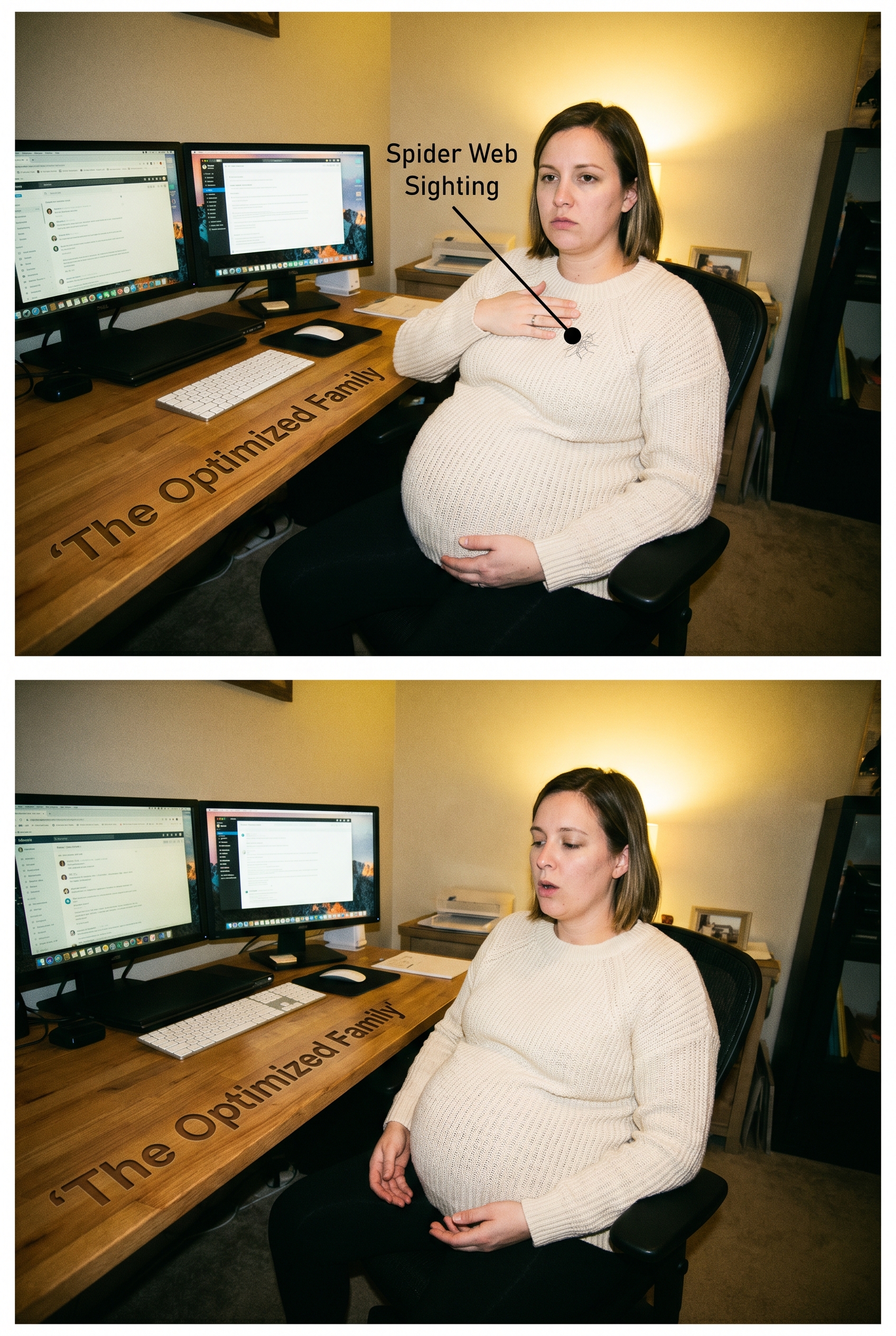
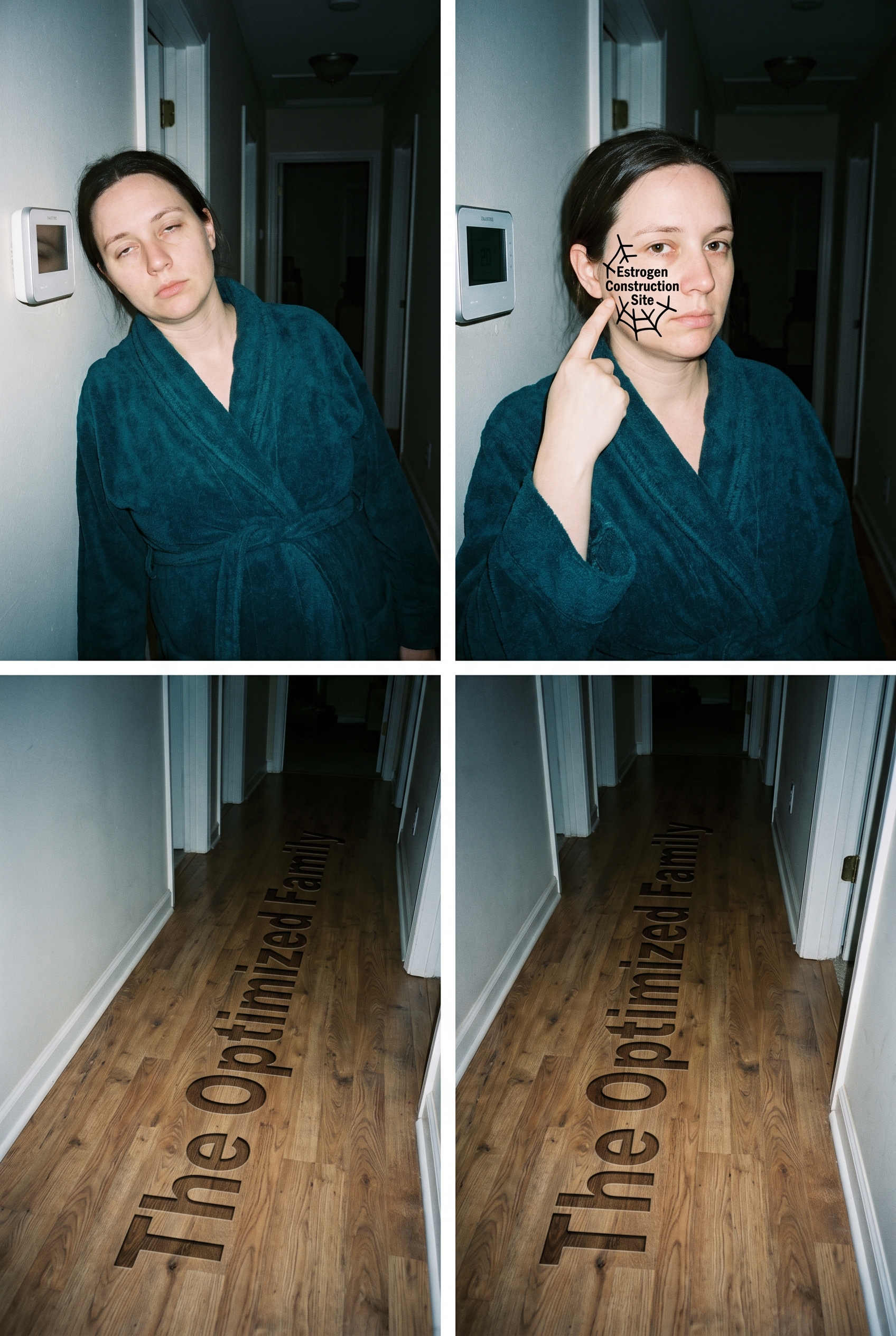
You wake up, look in the mirror, and discover tiny, red, web-like road maps stretching across your cheeks, nose, and upper chest. These are spider angiomas, a highly common third-trimester phenomenon. While completely harmless to your baby, they are cosmetically jarring and a direct result of your changing body.
We do the research. You do the parenting. Right now, parenting involves staring at your reflection at 2 AM and wondering if you slept on a heavily textured pillowcase. You did not. You are simply experiencing the unfiltered joys of late-stage pregnancy dermatology. It is an uncomfortable visual shift, but it is entirely expected at this stage of the game.
The Biological Toll
Your cardiovascular system is currently working overtime, pumping a massive 40 to 50 percent increase in blood volume Source to support the pregnancy. Combined with surging estrogen levels that physically weaken your capillary walls, this extra fluid dilates tiny blood vessels near the skin.
It is a basic engineering problem. You are pushing a firehose amount of fluid through a garden-hose infrastructure. The pressure has to go somewhere, and unfortunately, that “somewhere” is the delicate skin of your face, neck, and upper chest.
- Estrogen surges reduce your overall vascular resistance.
- Capillaries expand rapidly to accommodate the sheer fluid volume.
- The resulting dilation becomes highly visible through thin facial skin.

What Nobody Tells You
The most frustrating secret about third-trimester spider veins is that you cannot prevent them, and they will likely stick around until well after delivery. However, the vast majority of these marks will naturally fade and resolve on their own within three to six months once your hormones stabilize.
You will likely spend the next few months aggressively applying concealer. If they do not vanish by your baby’s half-birthday, dermatologists have laser techniques that can easily fix the lingering marks.
| Visual Sign | Characteristics | Status |
|---|---|---|
| Spider Angiomas | Red, web-like, blanch (turn white) when pressed. | Annoying but harmless. |
| Varicose Veins | Large, bulging, blue/purple, typically on the legs. | Common, requires monitoring. |
| Petechiae | Pinpoint red/purple dots, do NOT blanch when pressed. | Warrants an immediate call. |
Actionable Mitigation
Because these vascular changes are driven entirely by internal blood volume and hormones, topical skincare will not resolve them. Your best immediate option is color-correcting makeup to ease the cosmetic frustration, followed by patience as your body naturally sheds the excess fluid during the postpartum period.
Do not waste your money on expensive serums promising to erase them overnight.
- Stick to gentle facial cleansers to avoid irritating the already expanded capillaries.
- Use a green-tinted primer or color corrector to neutralize the bright redness.
- Wait out the clock until your postpartum fluid drop occurs.
- Apply Color Corrector: Apply a green-tinted color-correcting concealer directly over the red spider veins to neutralize the bright color.
- Layer Foundation: Layer a high-coverage, sensitive-skin foundation over the color corrector using a damp makeup sponge to blend smoothly.
- Set with Powder: Set the specific area with a gentle translucent powder to prevent the cosmetic coverage from melting off during the day.
- Track Postpartum Fading: Take a daily photo in the exact same lighting once you are postpartum to track the natural fading process over six months.
When You Need A Doctor
While spider veins are harmless, you must watch for petechiae—tiny, pinpoint red dots that do not turn white when you press on them. If you spot these non-blanching dots, it warrants an immediate call to your provider, as they can indicate an underlying blood clotting issue requiring evaluation.
We do not mess around with vascular red flags. If you press on a red mark and it stays stubbornly red, pick up the phone. It is always better to have a professional look at your skin than to spend the night spiraling on internet forums.
Frequently Asked Questions
Navigating late-pregnancy skin changes can leave you with dozens of questions about what is expected and what requires a professional eye. Below, we address the most common concerns regarding facial spider veins, how long they last, and the exact signs that mean you should contact your healthcare provider.
We do the research. You do the parenting.
Stop guessing at 2 AM. Get the visual playbook.
80+ peer-reviewed studies translated into visual shortcuts you can actually use, one-handed, with a baby attached to you.

Frequently Asked Questions
Will these spider veins on my face ever go away?
Yes, the vast majority of spider angiomas will naturally fade and resolve within three to six months postpartum. Once your blood volume drops and your estrogen levels return to their pre-pregnancy baseline, the pressure on your capillaries decreases, allowing the redness to dissipate.
Can I use any creams to fix spider veins during pregnancy?
No topical cream or serum will resolve spider veins because they are caused by internal blood volume and hormonal shifts. Your best approach is using a gentle skincare routine and color-correcting makeup to ease the cosmetic appearance until you deliver.
Are spider angiomas the same thing as varicose veins?
No, they are entirely distinct. Spider angiomas are tiny, flat, red, web-like marks typically found on the face, neck, and chest. Varicose veins are large, bulging, blue or purple vessels that generally appear on the legs and carry a different set of management guidelines.
What should I do if the red dots do not turn white when pressed?
If you find pinpoint red or purple dots that do not blanch, or turn white, when you apply pressure, this warrants an immediate call to your provider. These are called petechiae and require professional evaluation to rule out any underlying blood clotting concerns.
Can I get cosmetic procedures to remove them while pregnant?
You should wait until after your postpartum recovery to pursue any cosmetic techniques, such as laser therapy or sclerotherapy. Because most of these marks will resolve on their own, attempting to fix them during pregnancy is unnecessary and generally not recommended by professionals.