Key Highlights
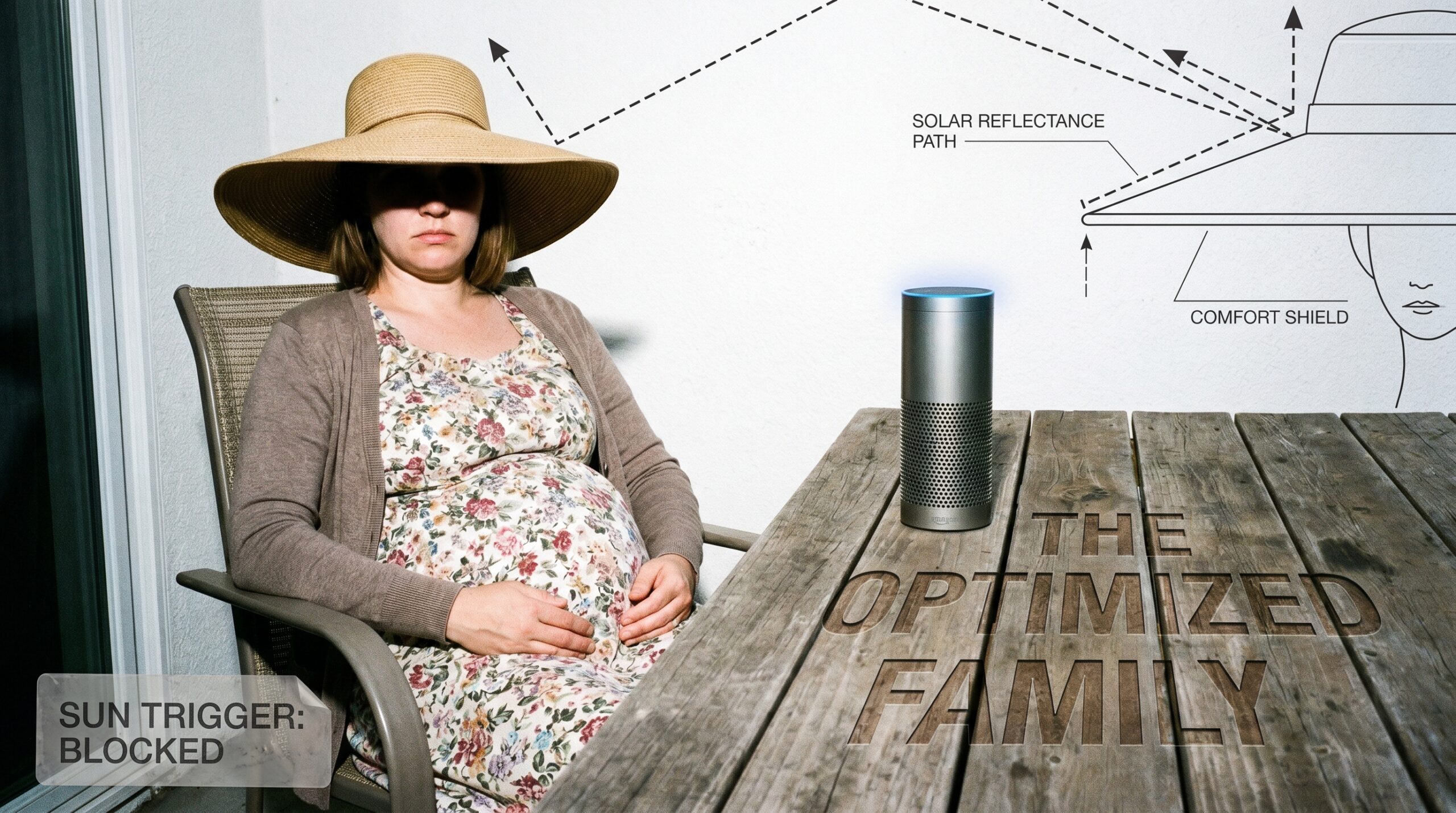
- Melasma causes dark, symmetrical facial patches during pregnancy.
- Up to 70 percent of pregnant women experience these skin changes.
- Elevated hormones and UV light trigger excess pigment production.
- Daily broad-spectrum SPF 30+ is your best defense against darkening.
- Most patches fade naturally in the months after delivery.
- Retinoids and chemical peels are not safe during pregnancy.
We do the research. You do the parenting.
The Part Nobody Prepared You For
You expected the expanding belly and the swollen ankles, but nobody warned you about the sudden appearance of dark, symmetrical patches across your face. This is melasma, often called the mask of pregnancy, and it is a completely normal, albeit frustrating, biological response to your changing hormones.
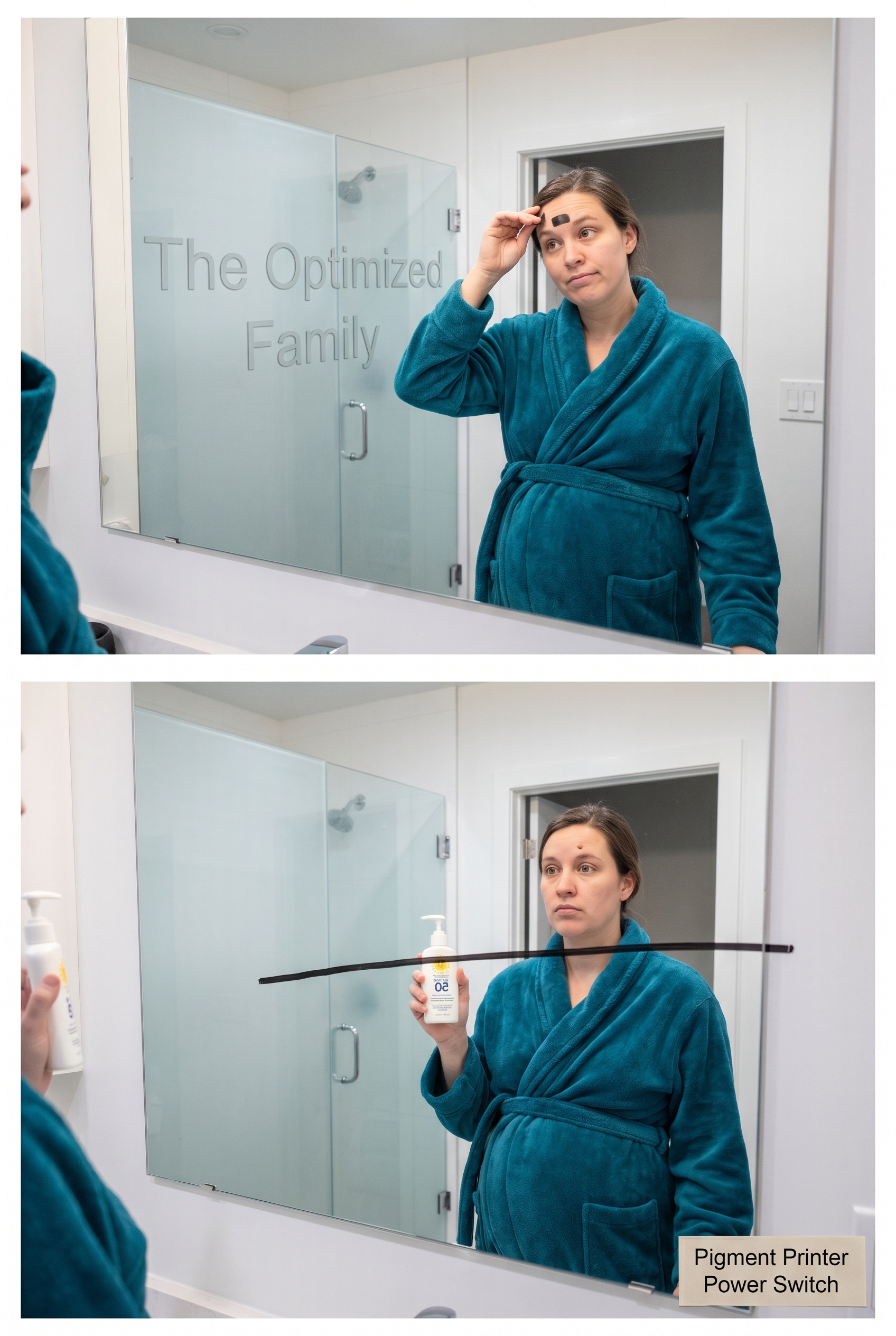
Right now, you are looking in the bathroom mirror at 2 AM, wondering if you forgot to wash off some dirt. You didn’t. Research shows that up to 70% of pregnant women develop these patches, particularly those with darker skin tones Source. It is just one more bizarre physical shift to add to your survival bingo card.
What Your Body Is Actually Doing
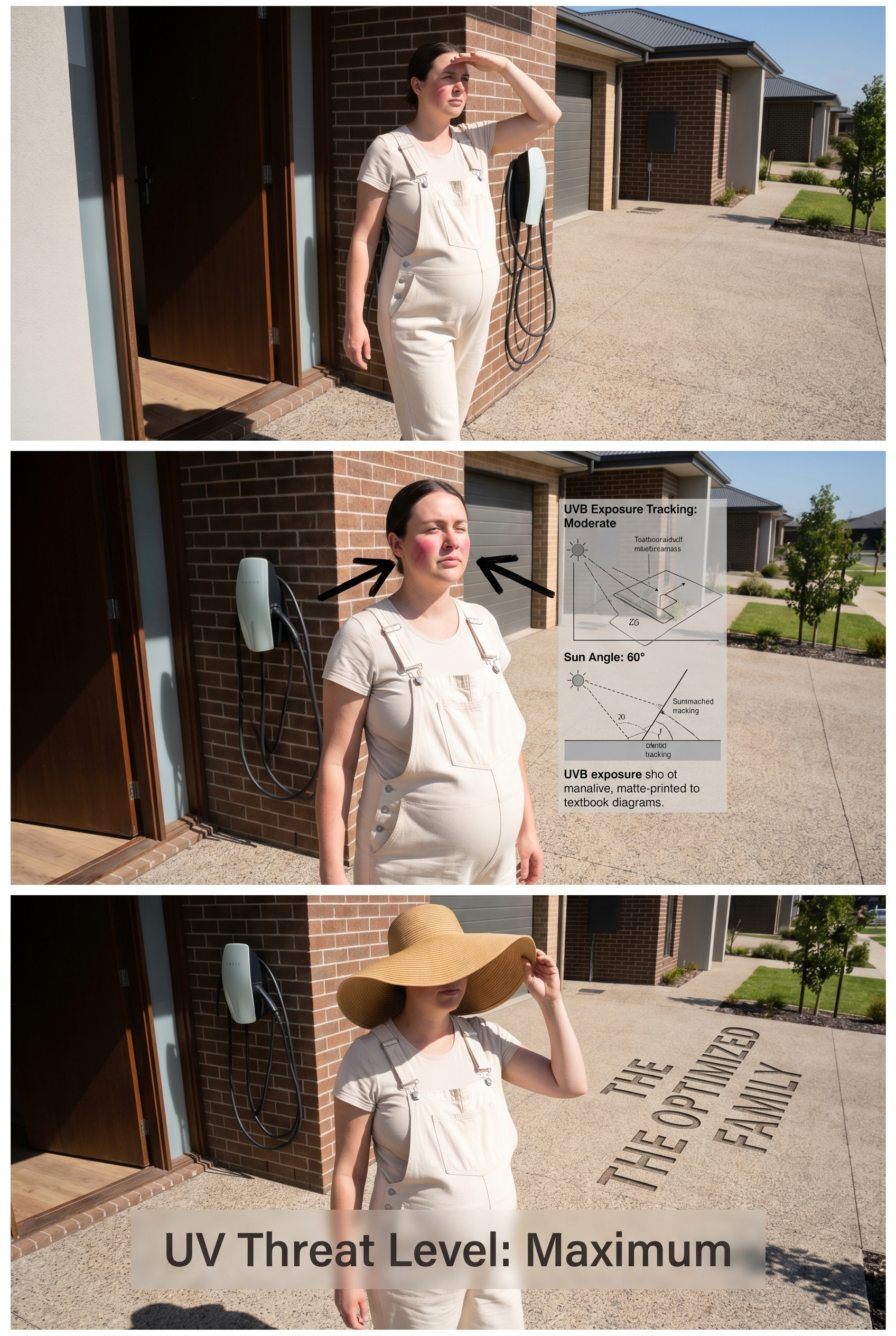
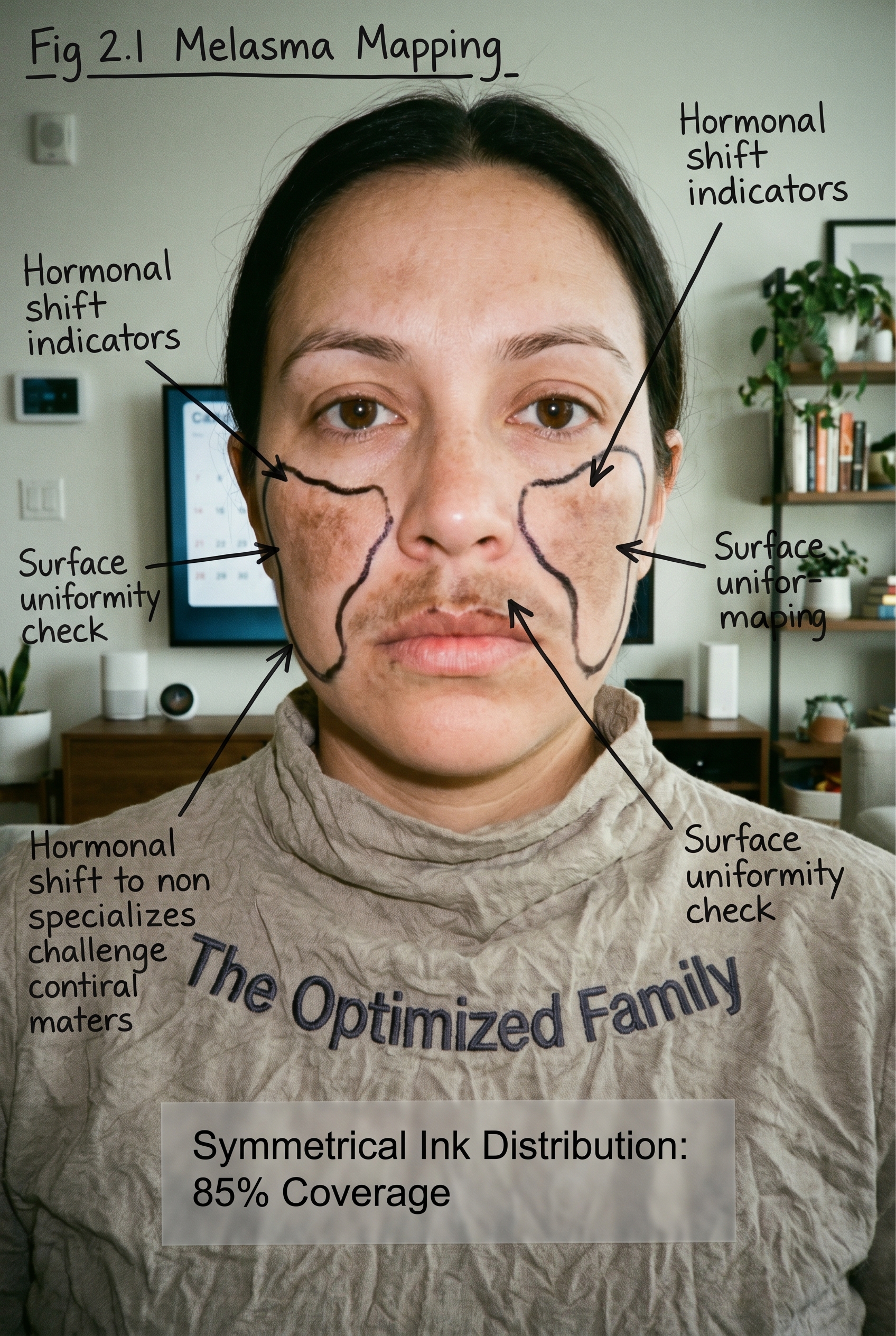
Inside your body, elevated levels of estrogen, progesterone, and melanocyte-stimulating hormone are working overtime. When these hormones combine with everyday ultraviolet light exposure, they command your skin cells to overproduce pigment, creating a butterfly-shaped distribution of dark spots across your forehead, cheeks, and upper lip.
Think of your melanocytes—the cells responsible for skin color—as a factory that has suddenly lost its manager. The pregnancy hormones hit the gas pedal, and the sun cuts the brake lines. Even incidental sun exposure, like walking to your car or sitting near a window, triggers this pigment surge.
The Emotional Weight Of It
Watching your face change rapidly can feel deeply unsettling during a time when you already feel like a stranger in your own body. It is completely valid to mourn your pre-pregnancy complexion and feel frustrated by skin changes that you cannot simply scrub away or ignore.
Pregnancy demands a lot of physical surrender. When that surrender extends to your face, it hits different. You are allowed to be annoyed. You do not have to glow or pretend this is a magical cosmetic journey. It is biology, and sometimes biology is just exhausting.
What Helps (When Help Feels Impossible)
While you cannot safely use heavy-duty skin brighteners right now, you can aggressively defend your skin against further darkening. Your primary tools are rigorous sun protection, physical barriers like wide-brimmed hats, and pregnancy-safe topical options like vitamin C serums that help manage the pigment production safely.
Because your go-to chemical peels and retinoids are strictly off-limits, you have to play defense.
Here are the non-negotiables for your daily routine:
- Broad-spectrum SPF 30+: Apply it every single day, even if it is cloudy.
- Physical barriers: A wide-brimmed hat is your best friend outdoors.
- Safe topicals: Vitamin C serums can help brighten skin without risking your baby’s development.
What happens after delivery?
- First, your hormone levels will slowly crash back to their baseline.
- Over the next few months, the melanocyte factory stops overproducing pigment.
- For most, the patches gradually fade into the background.
- However, for roughly 10% to 30% of women, the hyperpigmentation never fully resolves and requires professional cosmetic options later on Source.
- Apply daily sunscreen: Apply a broad-spectrum SPF 30+ mineral sunscreen every morning to clean skin.
- Reapply consistently: Reapply sunscreen every two hours if you are spending time outdoors or near windows.
- Use physical barriers: Wear a wide-brimmed hat whenever you step outside to create a physical barrier against UV rays.
- Incorporate safe serums: Incorporate a pregnancy-safe vitamin C serum into your routine to help manage pigment production.
Red Flags That Cannot Wait
While melasma itself is harmless, certain skin changes warrant an immediate call to your provider. If your dark patches become raised, start bleeding, itch uncontrollably, or are accompanied by severe swelling or sudden vision changes, you need professional evaluation to rule out other complications.
Do not play guessing games with evolving skin anomalies.
| Skin Change | What It Looks Like | Action Required |
|---|---|---|
| Melasma | Flat, brown, symmetrical patches on the face | Use SPF 30+, wear a hat |
| Linea Nigra | Dark vertical line down the center of the belly | Normal, no action needed |
| Evolving Spots | Raised, bleeding, or asymmetrical borders | Call your provider immediately |
| Severe Itching | Intense itching without a rash, especially on palms/soles | Call your provider immediately |
Questions Parents Actually Ask
You have questions about when this mask will finally fade, what products are actually safe to use right now, and whether your old skincare routine is doing more harm than good. Below, we break down the most common midnight worries regarding pregnancy skin changes and sun protection.
We do the research. You do the parenting.
Stop guessing at 2 AM. Get the visual playbook.
80+ peer-reviewed studies translated into visual shortcuts you can actually use, one-handed, with a baby attached to you.

Frequently Asked Questions
Will pregnancy melasma go away completely after I deliver my baby?
For the majority of women, these dark patches gradually fade over several months as postpartum hormone levels return to their baseline. However, research indicates that for ten to thirty percent of mothers, the hyperpigmentation may persist and require professional cosmetic options once breastfeeding concludes.
Can I use my regular retinol serum to fix these dark spots?
No, you must avoid retinoids completely right now. Vitamin A derivatives are strictly off-limits during pregnancy and breastfeeding due to severe risks to fetal development. Stick to pregnancy-safe alternatives like vitamin C serums and aggressive sun protection to manage your skin safely.
Why does my melasma look worse after just walking to the car?
Your melanocytes are highly sensitized by pregnancy hormones, meaning even brief incidental exposure to ultraviolet light will trigger an immediate surge in pigment production. This is why applying sunscreen every single day, regardless of the weather or your plans, is absolutely critical.
Is there any way to quickly erase the mask of pregnancy?
There are no fast, pregnancy-safe fixes for these skin changes. Because heavy chemical peels and potent brighteners are unsafe right now, your only strategy is rigorous defense. Focus entirely on preventing further darkening through consistent sun protection and physical barriers like hats.
When should I worry that a dark spot is not just melasma?
Melasma presents as flat, symmetrical brown patches. If you notice an isolated spot that is raised, has asymmetrical borders, bleeds, or changes rapidly in size and shape, this warrants an immediate call to your provider to rule out dangerous skin anomalies.