
Key Highlights
- Tokophobia is an extreme, intense fear of childbirth.
- It affects approximately 6 to 10 percent of pregnant people.
- Primary tokophobia occurs before you have ever given birth.
- Secondary tokophobia develops after a previous traumatic birth.
- Therapy, especially CBT and EMDR, can significantly reduce symptoms.
- Establishing a clear care plan helps restore a sense of control.
The Part Nobody Prepared You For
Everyone tells you that being a little nervous about labor is completely normal. They do not tell you that an intense, paralyzing terror of childbirth is a recognized condition called tokophobia. It is not a weakness, and it requires specific, compassionate support to navigate successfully.
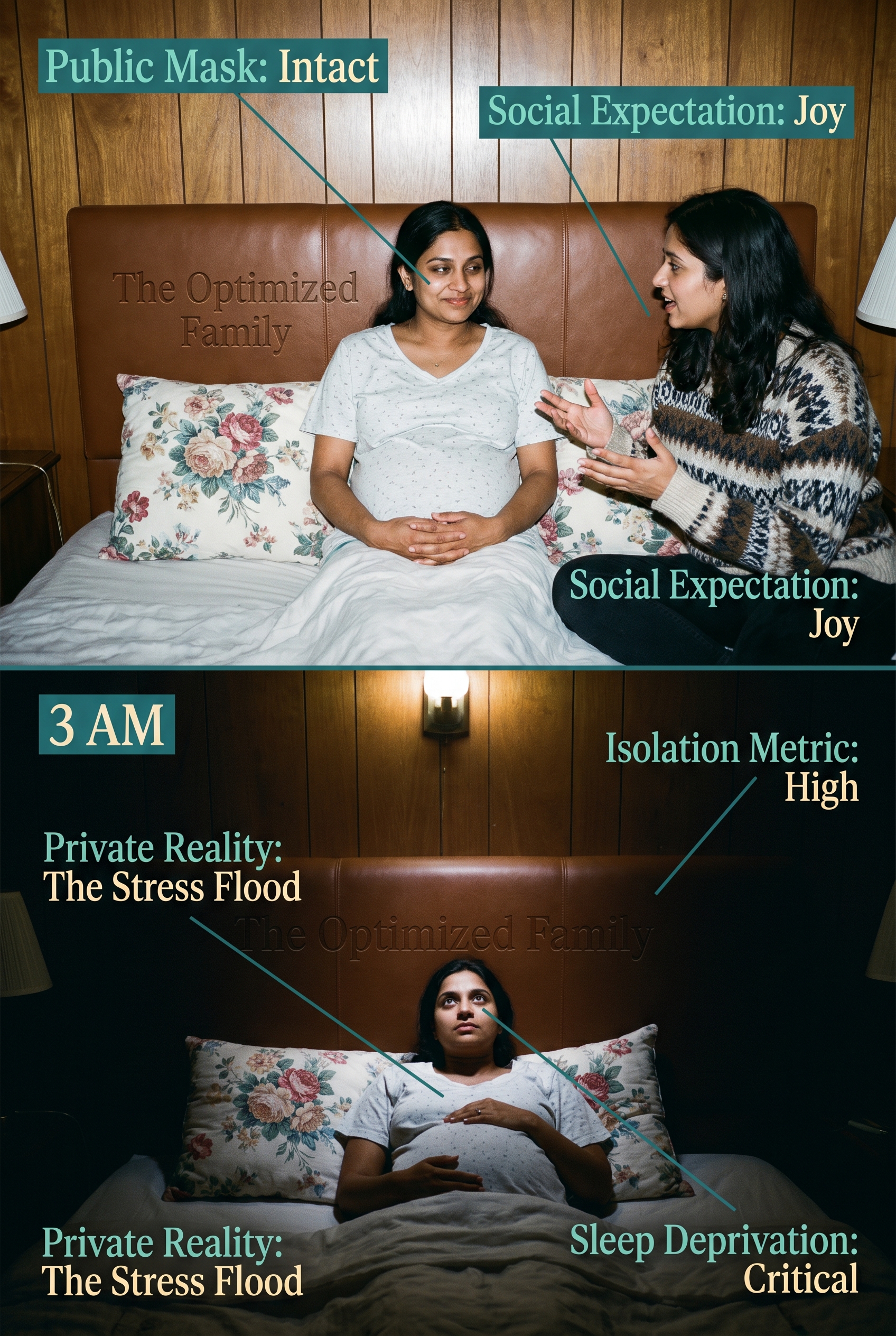
“We do the research. You do the parenting.” You are lying awake at 2 AM, heart hammering, imagining the worst-case scenarios of labor. Society expects you to be glowing and nesting. Instead, you are terrified. This extreme fear affects an estimated 6 to 10 percent of pregnant women globally Source. It comes in two distinct forms. Primary tokophobia exists before you ever get pregnant, often stemming from hearing traumatic birth stories in childhood or surviving previous trauma. Secondary tokophobia develops after you have personally survived a traumatic birth experience.
What Your Body Is Actually Doing
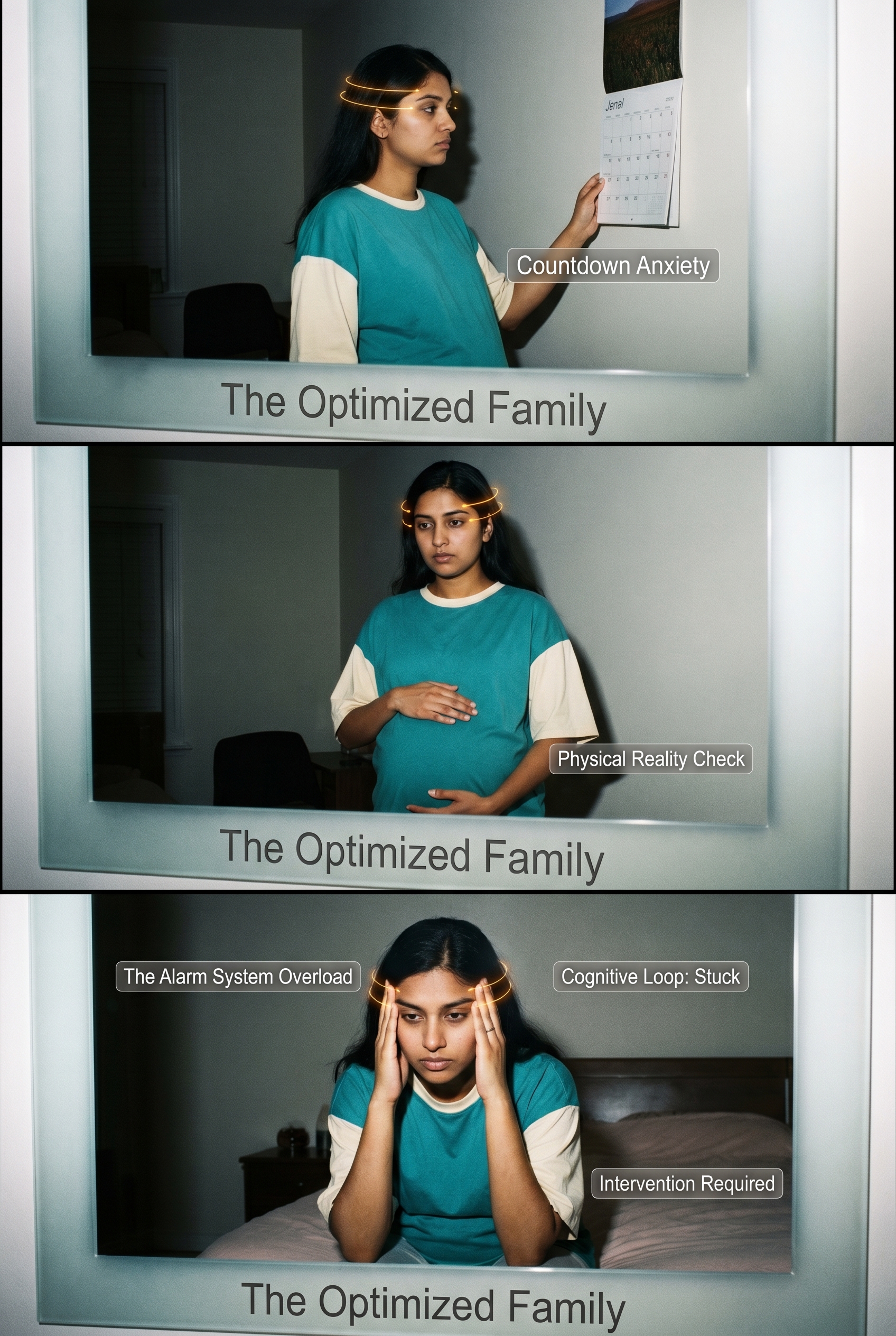
Your nervous system is perceiving the upcoming birth as an active, immediate threat to your survival. This triggers a cascade of stress hormones, leading to physical symptoms like racing heartbeat, shortness of breath, nightmares, and panic attacks whenever labor is mentioned.
When you have tokophobia, your brain’s alarm system is stuck in the “on” position. The fear is not just in your head; it is deeply physiological. You might find yourself entirely avoiding prenatal classes or hospital tours because walking into those spaces causes a physical panic response.
Here is a breakdown of how this fear manifests versus standard pregnancy jitters:
| Normal Birth Anxiety | Tokophobia (Extreme Fear) |
|---|---|
| Nervous about pain management | Panic attacks when discussing labor |
| Asking questions about tearing | Avoiding all birth preparation classes |
| Worrying about the timeline | Requesting an elective C-section purely out of fear |
| Having occasional bad dreams | Chronic, recurring nightmares about delivery |
The Emotional Weight Of It
Carrying this level of fear while carrying a child creates immense emotional exhaustion and isolation. You might feel intense guilt for not being excited, or you might find yourself secretly wishing to avoid the delivery entirely, which only compounds the heavy mental burden.
The isolation is often the heaviest part. When everyone around you is celebrating the impending arrival, admitting you are terrified feels like a betrayal. Some people experience such profound fear that they consider terminating a deeply wanted pregnancy just to escape the delivery.
This condition carries real stakes if left unaddressed. Research shows that unsupported tokophobia is associated with longer labor durations, higher rates of emergency surgical deliveries, and an increased risk of postpartum PTSD Source.
What Helps (When Help Feels Impossible)
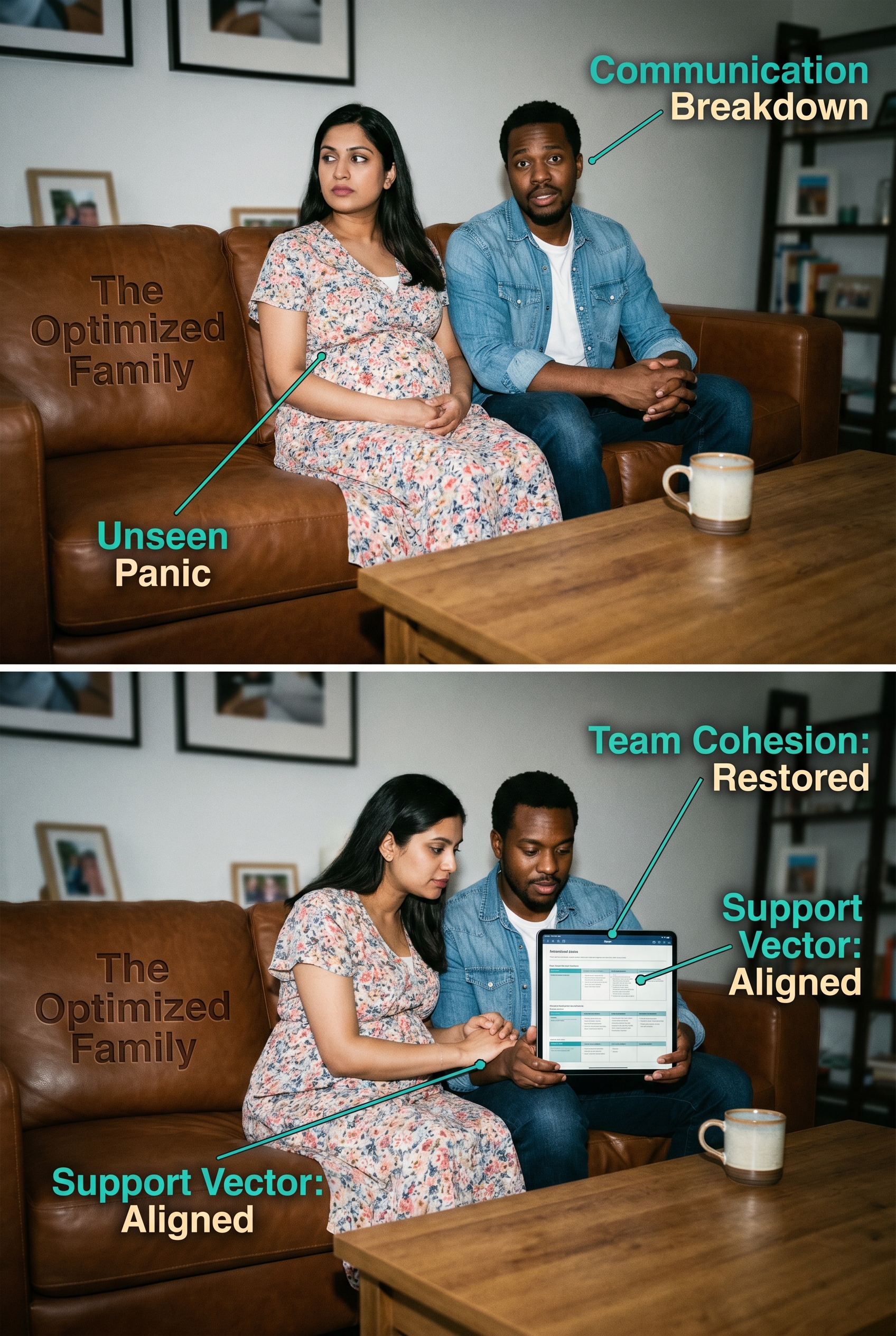
You can reduce this fear by working with specialized mental health professionals and restructuring your birth plan to prioritize psychological safety. Cognitive behavioral therapy, trauma counseling, and establishing a highly controlled environment with your delivery team are proven ways to ease the panic.
You do not have to white-knuckle your way through the third trimester. There are effective techniques to help you regain control.
- Cognitive Behavioral Therapy (CBT): This helps rewire the catastrophic thought patterns surrounding birth.
- EMDR Therapy: Highly effective for secondary tokophobia, this helps process the trauma of a previous difficult birth.
- Hypnobirthing: These classes focus intensely on deep relaxation and breathing techniques to calm the nervous system.
You also need a solid team.
- Schedule a dedicated appointment with your provider just to discuss your fear.
- Ask to meet with the anesthesia team in advance to understand your pain relief options.
- Write a birth plan that explicitly states your anxiety triggers.
- Name the fear openly with your provider: Tell your OB-GYN or midwife exactly how terrified you are without minimizing it. Ask them to document it in your chart.
- Build a birth preferences document focused on psychological safety: Draft a plan that explicitly lists your anxiety triggers and the coping mechanisms you want the delivery team to support.
- Engage a maternal mental health specialist: Seek out a therapist trained in perinatal mental health for cognitive behavioral therapy or EMDR to process the fear.
- Tour the facility to reduce environmental unknowns: Walk through the hospital or birth center early to familiarize yourself with the sights, sounds, and protocols.
Red Flags That Cannot Wait
If your fear is causing you to skip essential prenatal appointments, severely restricting your eating or sleeping, or leading to thoughts of self-harm, these symptoms warrant an immediate call to your provider. Do not wait for your next scheduled checkup to seek support.
Extreme anxiety can compromise both your safety and the baby’s well-being if it prevents you from receiving standard prenatal care. If you are experiencing daily panic attacks, complete insomnia due to nightmares, or if the fear is making you contemplate dangerous actions to avoid labor, you need urgent support. Contact your OB-GYN, midwife, or a local crisis hotline immediately. They can help you find safe, immediate relief options and connect you with maternal mental health specialists.
Questions Parents Actually Ask
Parents frequently ask if they are the only ones feeling this way, if an elective C-section is their only option, and how to talk to their partner about the fear. We break down the most common questions to help you navigate these intense emotions.
It is completely normal to have a million questions when you are dealing with something this overwhelming. Remember, “We do the research. You do the parenting.” Check the frequently asked questions below for clear, straightforward answers.
We do the research. You do the parenting.
Stop guessing at 2 AM. Get the visual playbook.
80+ peer-reviewed studies translated into visual shortcuts you can actually use, one-handed, with a baby attached to you.

Frequently Asked Questions
Is it normal to be this terrified of giving birth?
While mild anxiety is universally common, paralyzing terror is a specific condition called tokophobia. It affects roughly 6 to 10 percent of pregnant individuals. You are not alone, and it is not a personal failure. It is an anxiety issue that responds very well to specialized support.
Can I request a C-section just because I am scared?
Yes, many providers will work with you to plan an elective C-section if your fear of vaginal delivery is severe and overwhelming. However, surgical delivery carries its own recovery challenges, so providers usually recommend exploring therapy and coping techniques first to ensure you are fully informed.
Will hypnobirthing actually help if I am having panic attacks?
Hypnobirthing can be incredibly beneficial for easing severe anxiety. It focuses on deep breathing, visualization, and relaxation techniques that actively calm your central nervous system. When combined with cognitive behavioral therapy, it provides excellent tools to help you stay grounded during moments of intense panic.
How do I tell my doctor without sounding crazy?
Be direct and honest. You can say, “I am experiencing extreme, overwhelming fear about delivery, and it is impacting my daily life.” Providers are trained to recognize perinatal mood and anxiety issues. They want to help you build a safe, reassuring plan for your delivery day.
Does this mean I will get postpartum depression?
Not necessarily, but intense, unaddressed fear during pregnancy does increase the risk of postpartum mood challenges, including PTSD. This is exactly why establishing a support system and working with a mental health professional now is so crucial. Early intervention helps protect your postpartum mental health.