Key Highlights
- Third-trimester frequent urination hits 15 to 20 times per day.
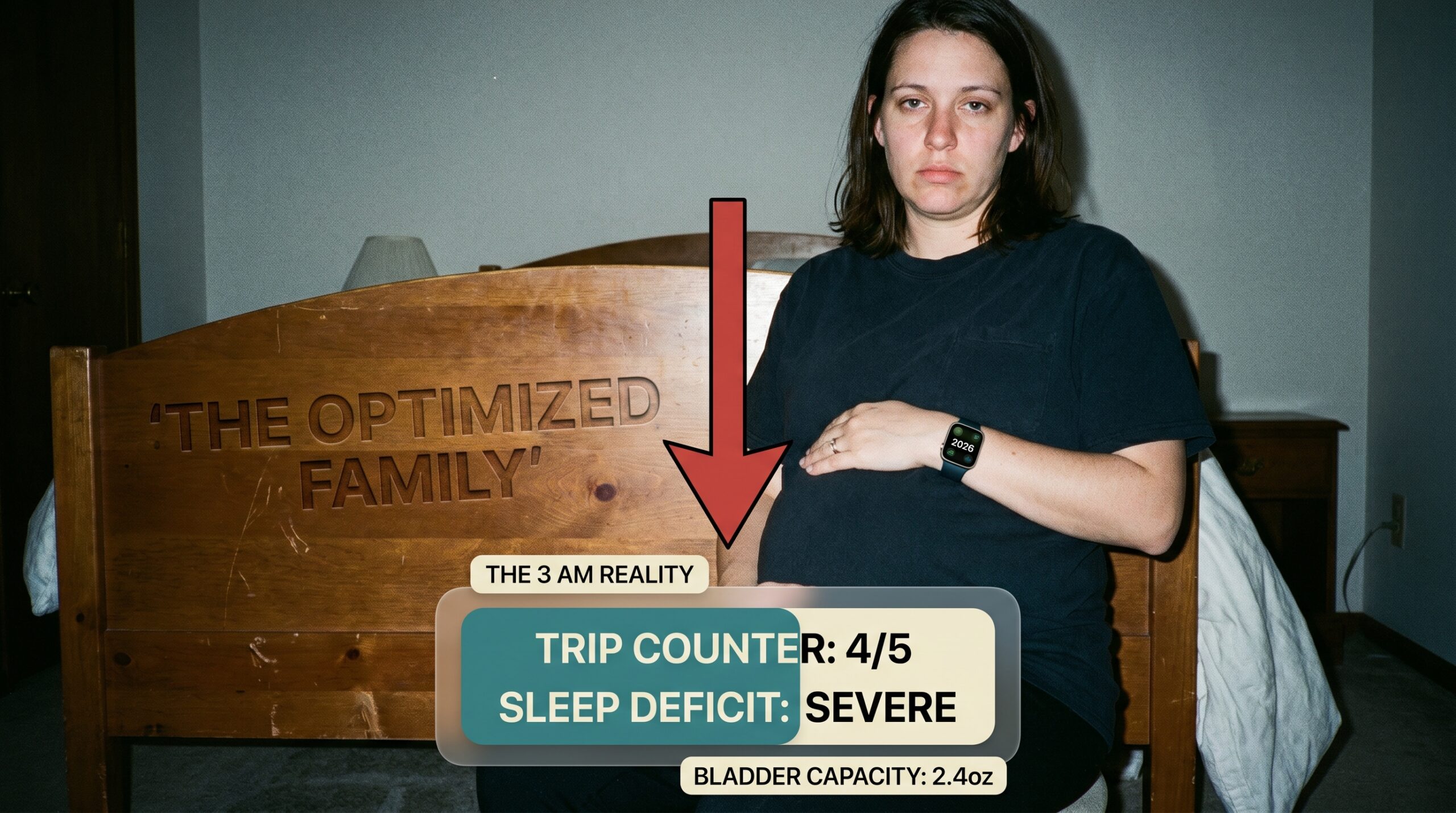
- Bladder capacity violently shrinks from 16 ounces to a mere 2 to 3 ounces.
- Stress incontinence causes unexpected leaking when laughing, coughing, or standing.
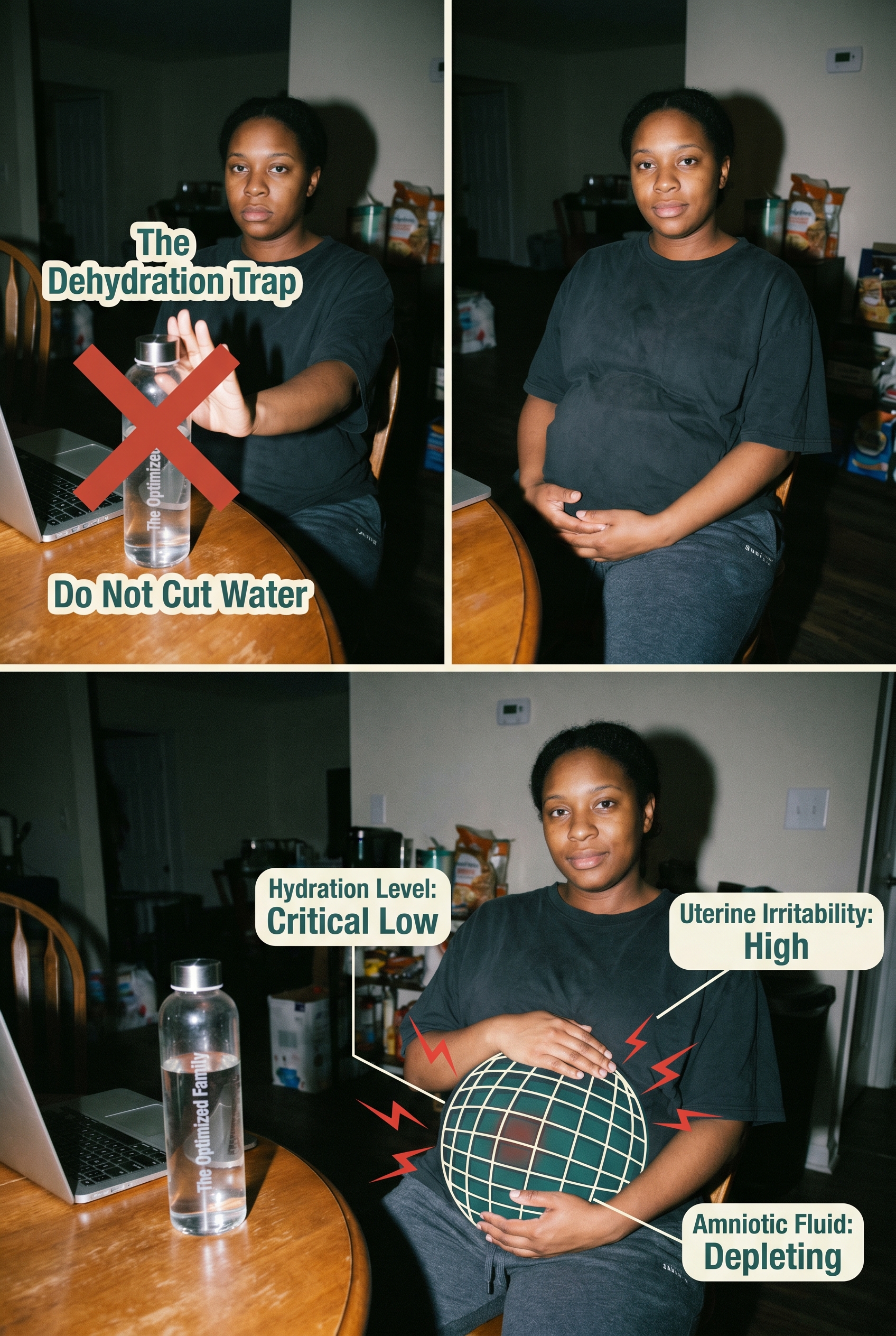
- Restricting daily water intake is dangerous and can trigger premature contractions.
- Stop drinking fluids one to two hours before bedtime for better sleep.
- Pelvic floor exercises can significantly reduce the severity of daily leaks.
What They Do not Tell You
The reality of third-trimester urination is that your bathroom becomes your primary residence. You will likely urinate 15 to 20 times a day, including multiple agonizing trips overnight. Nobody warns you that simply standing up from a chair might result in an uncontrollable, humiliating leak.
We do the research. You do the parenting. Right now, parenting looks like calculating the distance to the nearest restroom before committing to any social interaction. It is exhausting, miserable, and entirely unavoidable.

The Physical Reality
Your bladder is being physically crushed by a growing human skull. Before pregnancy, a normal bladder holds about 16 ounces of fluid comfortably. By the third trimester, that capacity is violently reduced to just two or three ounces, making every sip of water an immediate logistical problem.
According to research on maternal physiology, this structural compression forces you to empty your bladder up to 20 times daily Source. Adding insult to injury, the sheer weight of the pregnancy exhausts your pelvic floor muscles. This creates a mechanical failure known as stress incontinence. Your body simply gives up when faced with sudden downward pressure, leading to leaks during everyday activities:
- Laughing at a joke
- Coughing or clearing your throat
- Sneezing unexpectedly
- Standing up from a low chair
The Cost That Nobody Warned You About
The hidden cost of this bladder compression is profound sleep deprivation and the constant fear of public accidents. Waking up three to five times every single night shatters your sleep cycles, while weakened pelvic floor muscles turn a simple sneeze into a wardrobe emergency.
You are operating on fractured sleep while carrying a bowling ball on your pelvis. The mental toll of waking up constantly is severe.
| The Situation | What Is Happening | How To Survive It |
|---|---|---|
| Sneeze Leaks | Pelvic floor muscles buckle under pressure. | Cross your legs tightly before the sneeze hits. |
| 3 AM Wakeups | 2-ounce bladder capacity reached. | Keep nightlights dim to protect sleep hormones. |
| Constant Urge | Baby’s head resting on the bladder neck. | Lean forward on the toilet to fully empty. |
Small Things That Actually Move The Needle
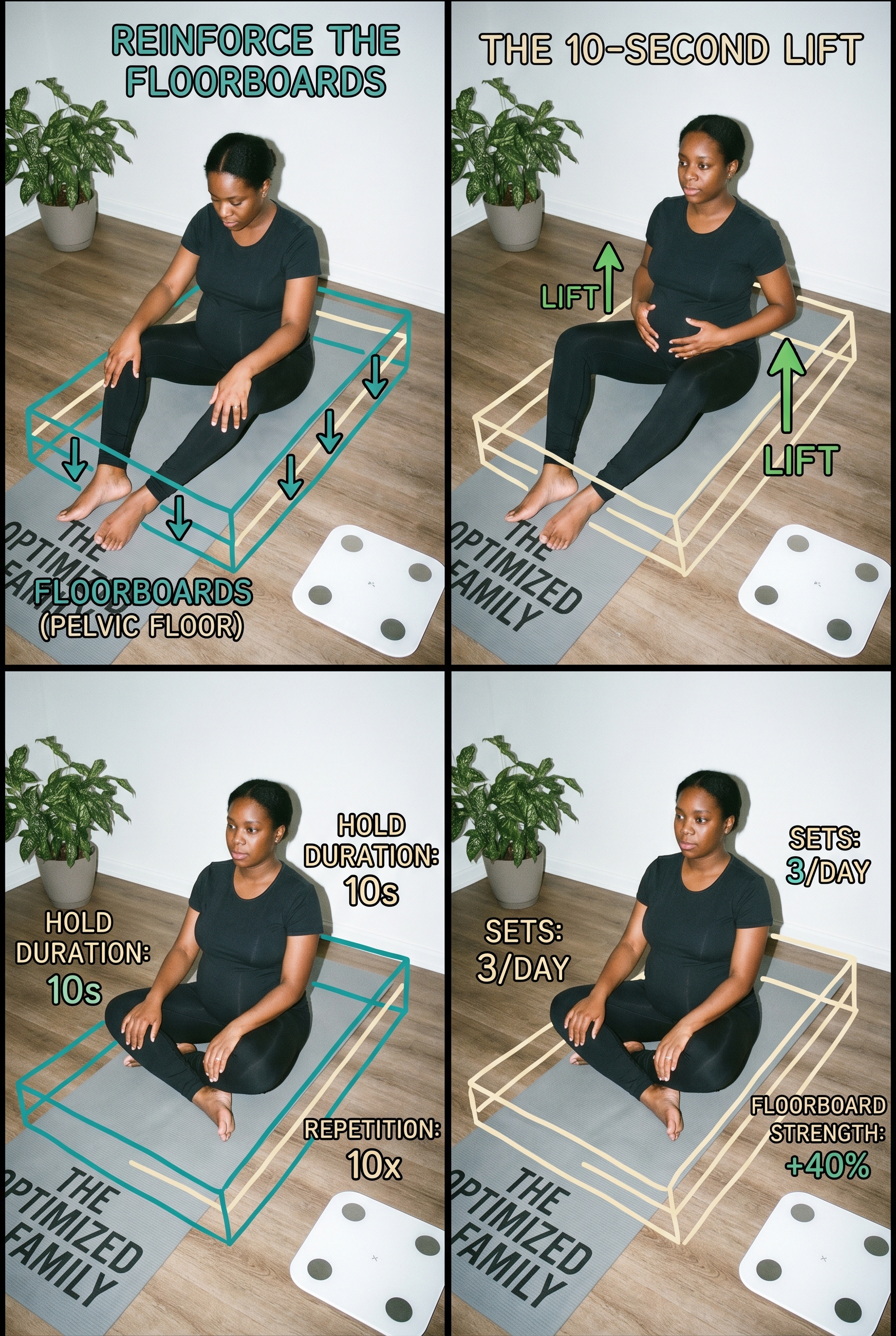
You cannot change the physics of a baby resting on your bladder, but you can manage the fallout. Implementing a strict fluid cutoff before bed and strengthening your pelvic floor muscles are the most effective ways to reduce overnight wake-ups and daytime leaking without compromising hydration.
Desperation might tempt you to stop drinking water entirely. Do not do this. Dehydration during the third trimester is dangerous. It can trigger premature contractions, worsen severe constipation, and dangerously reduce amniotic fluid levels Source. Instead of restricting total volume, you must manipulate the timing.
Here are the non-negotiable rules of third-trimester hydration:
- Front-load your water intake before dinner.
- Stop drinking fluids one to two hours before your head hits the pillow.
- Sip slowly during the day rather than chugging massive amounts at once.
When This Is Medical, Not Just Hard
While endless bathroom trips are a standard misery of late pregnancy, certain symptoms warrant an immediate call to your provider. Painful urination, blood in the bowl, or a sudden gush of fluid are not normal pregnancy quirks and require professional evaluation to rule out complications.
If you experience a burning sensation while emptying your bladder, this warrants an immediate call to your provider to check for a urinary tract infection, which affects up to 10% of pregnancies Source. Furthermore, if you experience a continuous trickle of fluid and cannot tell if it is urine or your water breaking, do not wait. Put on a pad and contact your care team immediately.
The Questions You would Google at 2 AM
Staring at the ceiling after your fourth bathroom trip brings up a lot of desperate questions. You want to know if this frequency is normal, if the leaking will ever stop, and how to survive the next few weeks without losing your mind entirely.
Here is the unfiltered truth to get you through the night.
- Front-load your daily hydration: Drink the majority of your required daily water before 6 PM to ensure you stay hydrated without filling your bladder at night.
- Implement a strict bedtime fluid cutoff: Stop drinking all liquids one to two hours before you plan to go to sleep to minimize the three to five overnight bathroom trips.
- Isolate your pelvic floor muscles: Practice contracting the muscles you would use to stop the flow of urine mid-stream, ensuring your thighs and abdomen remain completely relaxed.
- Perform the ten-by-ten hold: Squeeze and hold the pelvic floor contraction for ten full seconds, repeat this ten times in a row, and complete three sets daily to reduce leaking.
We do the research. You do the parenting.
Stop guessing at 2 AM. Get the visual playbook.
80+ peer-reviewed studies translated into visual shortcuts you can actually use, one-handed, with a baby attached to you.
Frequently Asked Questions
Is it safe to drink less water so I stop peeing?
Absolutely not. Restricting your overall daily water intake can lead to severe dehydration. This dehydration can trigger premature uterine contractions, worsen late-pregnancy constipation, and dangerously reduce your amniotic fluid levels. You must maintain total volume but shift the timing of your intake.
Why do I leak urine when I sneeze or laugh?
This is called stress incontinence. The sheer weight of your growing baby physically weakens your pelvic floor muscles. When a sneeze, cough, or laugh adds sudden downward pressure, those exhausted muscles simply cannot hold back the urine stored in your compressed bladder.
Will this constant need to pee go away after birth?
Yes, the intense pressure on your bladder resolves almost immediately after delivery. However, you may experience a massive increase in urine output during the first few postpartum days as your body sheds excess fluid, and pelvic floor recovery will take some time.
How can I tell if I am leaking urine or amniotic fluid?
Urine typically has a distinct ammonia smell and is yellowish, while amniotic fluid is usually odorless and clear. If the leaking is continuous, uncontrollable, or you feel a sudden gush, this warrants an immediate call to your provider to check for water breaking.
Do pelvic floor exercises actually help with the leaking?
Yes, consistent pelvic floor exercises can significantly reduce stress incontinence. By actively contracting and releasing these muscles multiple times a day, you build the strength needed to withstand the sudden downward pressure of a sneeze or cough, helping to keep your clothes dry.