
Key Highlights
- Antenatal depression affects up to 15 percent of pregnant women globally.
- It is a clinical condition, not just standard pregnancy hormonal moodiness.
- Unmanaged symptoms are linked to preterm birth and lower birth weights.
- Screening for prenatal mood disorders is often overlooked by care providers.
- The Edinburgh Postnatal Depression Scale works for prenatal screening as well.
- Relief options include talk therapy, support groups, and provider-guided interventions.
The Part Nobody Prepared You For
Antenatal depression is a clinical reality affecting roughly 10 to 15 percent of pregnant women, yet it remains overshadowed by postpartum discussions. It is not standard hormonal moodiness, but a distinct condition that requires proactive support to protect both the mother’s mental health and the developing baby.
We do the research. You do the parenting. Right now, parenting means surviving the third trimester while your brain actively works against you. Everyone warns you about the postpartum crash, but nobody mentions the prequel.
When you are eight months pregnant, society expects you to glow like a radioactive fertility goddess. Instead, you might find yourself staring at a nursery wall feeling absolutely nothing, or worse, feeling an overwhelming sense of dread. This is the uncomfortable truth of antenatal depression: it robs you of the joy you were promised and replaces it with a heavy, suffocating fog.

What Your Body Is Actually Doing
During the third trimester, massive hormonal shifts collide with physical exhaustion and altered brain chemistry, triggering persistent sadness or emptiness. This biological perfect storm alters neurotransmitter function, leading to changes in appetite, severe sleep disruption, and an inability to experience joy in previously loved activities.
You are growing a human skeleton from scratch while your internal chemistry stages a mutiny. This is a physiological event affecting approximately 10 to 15 percent of pregnant women globally, according to the World Health Organization. Your brain is processing unprecedented levels of estrogen and progesterone, which can destabilize the systems regulating mood and stress.
The stakes are incredibly high when this goes unmanaged. The biological impact extends beyond your own suffering. Research shows that untreated antenatal depression carries significant physical risks for the pregnancy itself:
- It increases the likelihood of preterm birth, according to the CDC.
- It is associated with a higher incidence of low birth weight.
- It elevates the risk of developing preeclampsia.
- It dramatically increases the probability of experiencing postpartum depression after delivery.

The Emotional Weight Of It
The emotional burden of antenatal depression often manifests as profound guilt, feelings of worthlessness, and a terrifying difficulty bonding with the pregnancy. Society demands that pregnant women radiate joy, making the reality of prenatal depression incredibly isolating and difficult to articulate to friends or family.
The hardest part is often the silence. Because prenatal appointments focus heavily on fundal height and fetal heart rates, maternal mental health is frequently pushed to the margins. You might experience a range of distressing feelings:
- Persistent emptiness or numbness
- Complete loss of interest in preparing for the baby
- Changes in appetite that have nothing to do with standard pregnancy cravings
- Sleep disruptions that go far beyond standard third-trimester insomnia
- Intrusive thoughts of inadequacy
What Helps (When Help Feels Impossible)
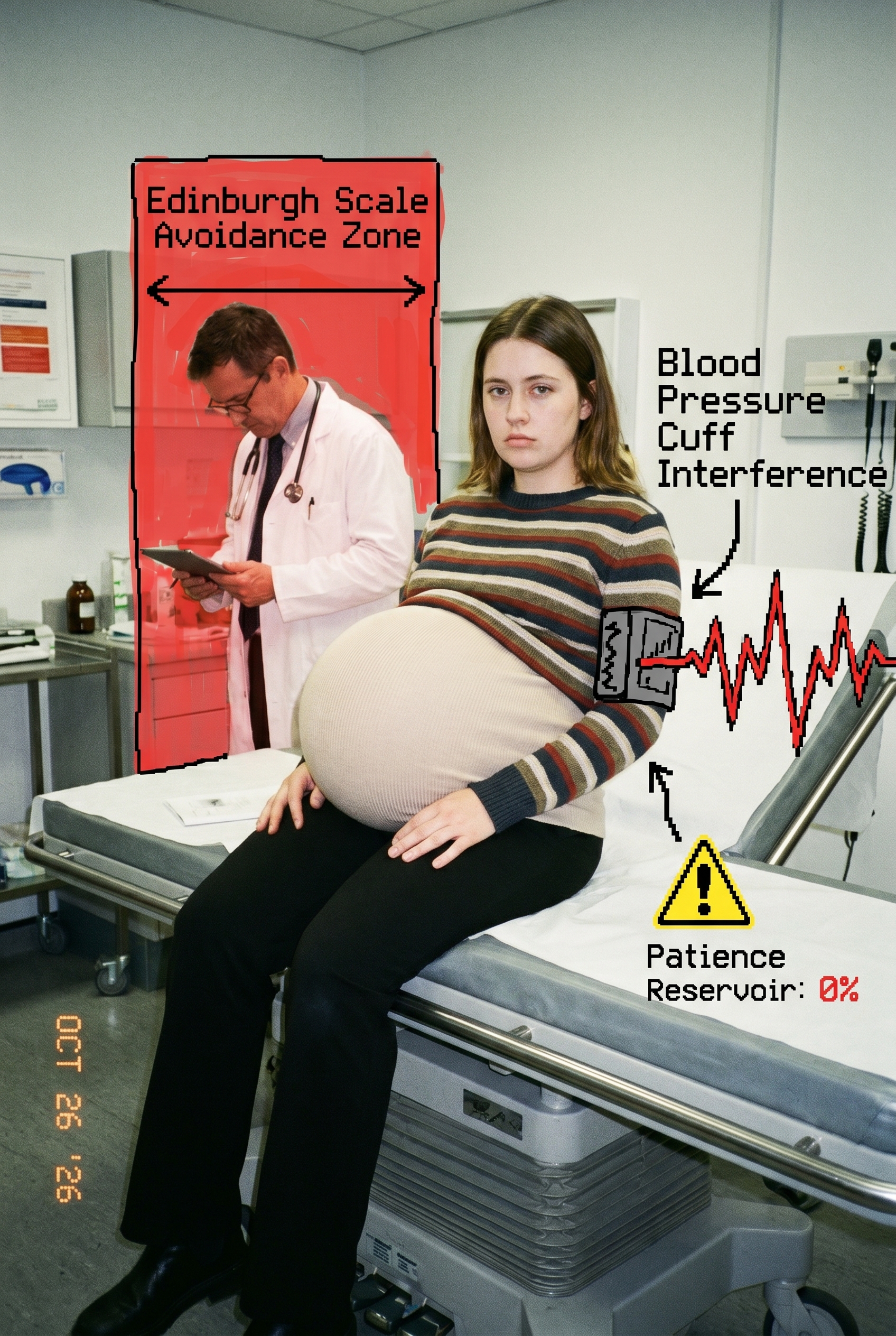
Relief begins with acknowledging the condition and requesting a formal screening, such as the Edinburgh Postnatal Depression Scale, from your provider. Effective management strategies include cognitive behavioral therapy, interpersonal therapy, structured support groups, and provider-guided pharmaceutical options when benefits outweigh the risks.
You have to advocate for yourself, which is a cruel irony when you have zero energy. If your provider only asks about your physical symptoms, you must force the conversation toward your mental state.
| Normal Third Trimester | Warrants Professional Evaluation |
|---|---|
| Crying because you dropped a fork | Crying daily with a deep sense of hopelessness |
| Waking up to pee three times a night | Unable to sleep even when perfectly exhausted |
| Feeling nervous about labor | Feeling completely detached from the pregnancy |
| Skipping a prenatal yoga class | Withdrawing from all social contact and activities |
Cognitive Behavioral Therapy (CBT) and Interpersonal Therapy are excellent first-line strategies. Support groups specific to prenatal mental health can also shatter the illusion that you are the only one feeling this way.
- Request Formal Screening: Explicitly ask your healthcare provider to administer the Edinburgh Postnatal Depression Scale during your next prenatal visit.
- Track Daily Symptoms: Keep a simple log of your mood, sleep patterns, and appetite changes to provide concrete data to your care team.
- Explore Therapy Options: Ask your provider for a referral to a therapist who specializes in Cognitive Behavioral Therapy (CBT) for perinatal mental health.
- Build a Prenatal Network: Join a specialized support group for expectant mothers experiencing mood disorders to reduce feelings of isolation.
Red Flags That Cannot Wait
Certain symptoms warrant an immediate call to your provider or a visit to the nearest emergency room, as they indicate severe distress. If you experience thoughts of self-harm, overwhelming hopelessness, or a complete inability to function, you must seek urgent professional help immediately.
There is a distinct line between a tough week and a crisis. If you find yourself unable to eat, entirely unable to sleep for days, or having intrusive thoughts about harming yourself or ending the pregnancy, these are critical warning signs. Do not wait for your next scheduled OB appointment. Call your local emergency services or a dedicated maternal mental health hotline right now.
Questions Parents Actually Ask
Parents constantly question if their emotional struggles are normal pregnancy hormones or something requiring professional intervention. They ask about the safety of therapeutic options, how to approach their provider for screening, and whether experiencing this now guarantees postpartum depression after the baby arrives.
Below are the most common questions we hear at 2 AM.
We do the research. You do the parenting.
Stop guessing at 2 AM. Get the visual playbook.
80+ peer-reviewed studies translated into visual shortcuts you can actually use, one-handed, with a baby attached to you.
Frequently Asked Questions
Is it normal to feel depressed during the third trimester?
Feeling occasional stress is normal, but persistent emptiness or sadness is not. Antenatal depression is a clinical condition affecting up to fifteen percent of pregnancies. It requires professional evaluation rather than simply waiting for the baby to arrive and hoping the heavy feelings will miraculously disappear.
How do I ask my provider for a mental health screening?
Be direct and specific with your care team. Tell them you are experiencing persistent mood changes and explicitly request to take the Edinburgh Postnatal Depression Scale. Many practices focus heavily on physical metrics, so you may need to advocate firmly for your own mental health evaluation.
Will antenatal depression automatically turn into postpartum depression?
Experiencing depression during pregnancy does increase your risk for postpartum depression, but it is not an absolute guarantee. By identifying the condition early and establishing a robust support plan now, you significantly improve your chances of managing the transition smoothly after your baby is born.
Are there safe pharmaceutical options available during pregnancy?
Yes, there are provider-guided pharmaceutical options considered safe during pregnancy. Your care team will weigh the benefits of these options against any potential risks. Unmanaged depression carries its own severe risks for both mother and baby, making professional medical guidance absolutely essential for your well-being.
Can talk therapy actually help with pregnancy depression?
Cognitive behavioral therapy and interpersonal therapy are highly effective, first-line options for managing antenatal depression. These therapies provide practical tools to reframe negative thought patterns and manage the overwhelming emotional weight of pregnancy, proving incredibly beneficial even when your physical energy is at its lowest.