Key Highlights
- Preeclampsia impacts up to 8 percent of global pregnancies and requires immediate medical evaluation.
- The condition stems from placental immune responses and vascular changes late in pregnancy.
- High-risk factors include first pregnancies, maternal age over 35, and carrying multiples.
- A daily low-dose OTC option can reduce risk by up to 20 percent.
- Symptoms like severe headaches and visual changes warrant an immediate call to your provider.
- Postpartum preeclampsia can still occur up to six weeks after your delivery date.
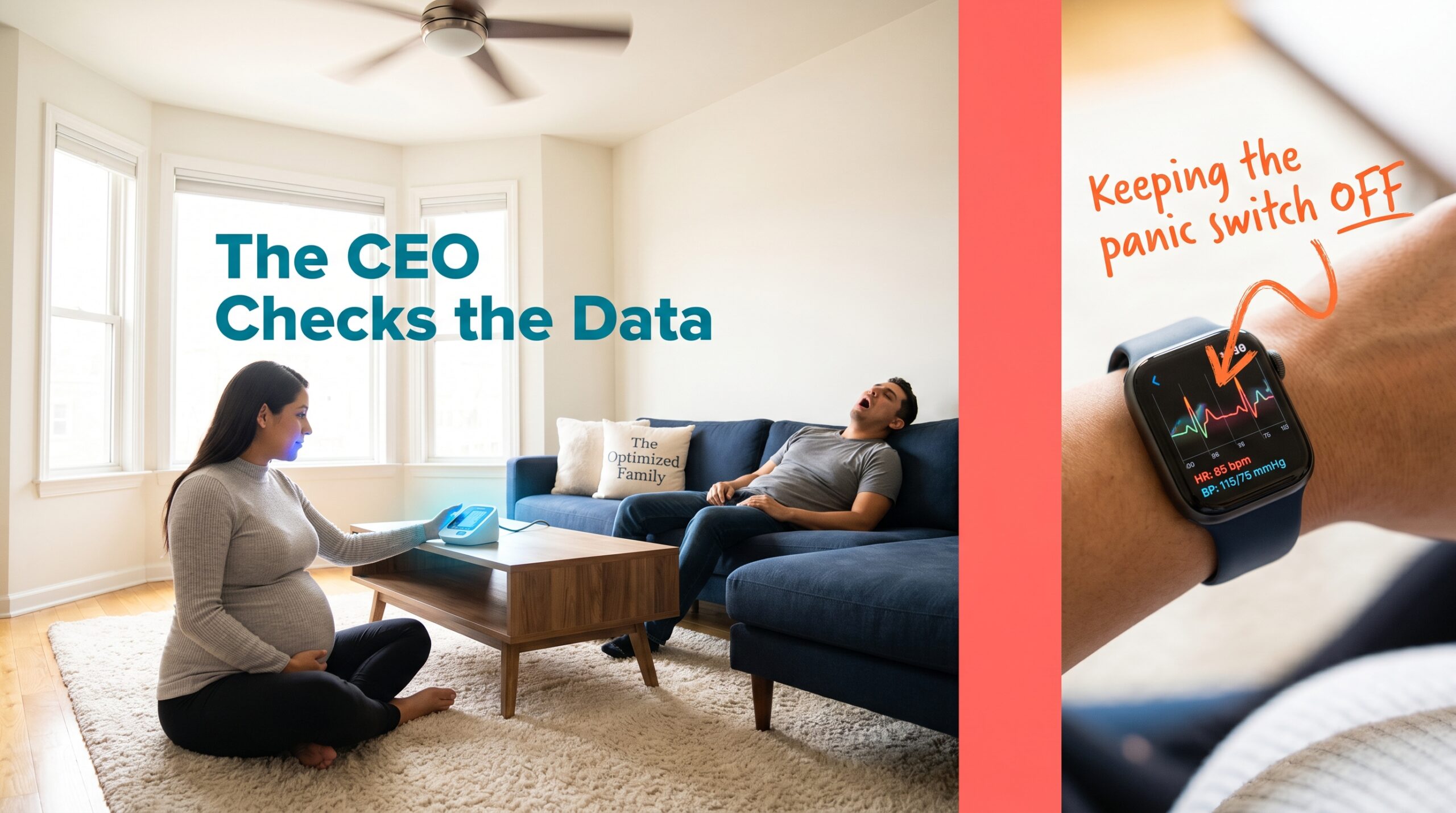
- Monitor your blood pressure: Use a reliable home cuff to check your blood pressure if you feel off, recording the numbers to share with your provider.
- Identify the red flags: Scan your body for sudden facial swelling, visual floaters, or a severe headache that will not go away with rest.
- Contact your provider immediately: Call your obstetrician or midwife’s emergency line the moment you notice two or more warning signs.
- Proceed to obstetric triage: Drive to the nearest emergency room or labor unit for a professional evaluation and fetal monitoring.
Why This Is An Emergency
Preeclampsia is a severe blood pressure condition that can rapidly escalate into seizures or organ failure if left unmonitored. Because it affects approximately 5 to 8 percent of pregnancies worldwide Source, recognizing the warning signs early is the single most effective way to protect both maternal and fetal survival. We do the research. You do the parenting.
This is not a drill, and this is not a time to wait and see. When blood pressure spikes dangerously high in the third trimester, the margin for error shrinks. Early detection is the only reliable way to keep a dangerous situation from becoming a catastrophic one.
The Physiology Of The Threat
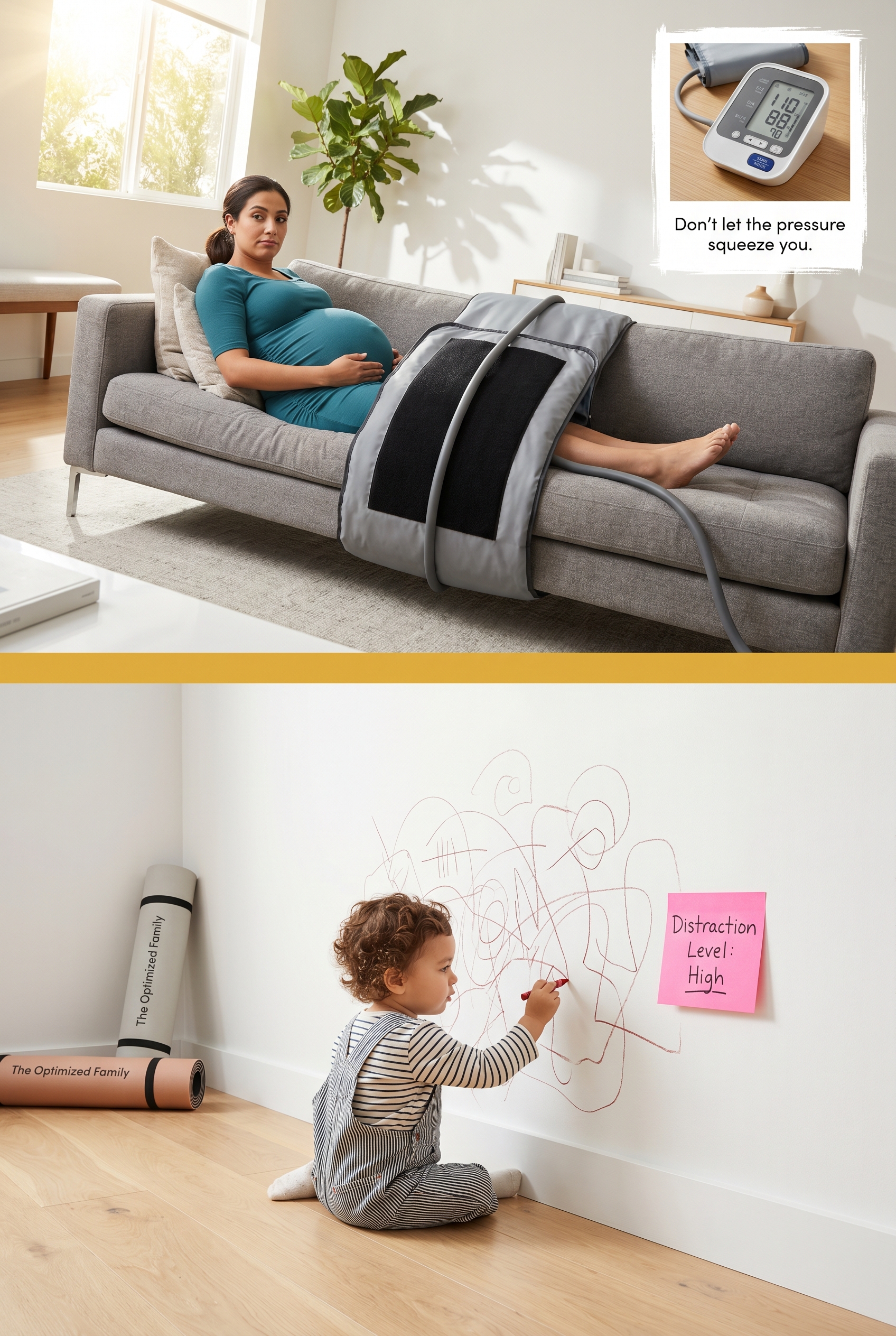
The exact mechanism begins with the placenta, where the maternal immune system reacts poorly to the father’s genetic material. This triggers widespread inflammation and blood vessel constriction throughout the mother’s body, reducing blood flow to vital organs and causing a dangerous spike in blood pressure during the third trimester.
Understanding who is at highest risk helps you stay vigilant. The following factors significantly elevate your baseline risk profile:
- First-time pregnancies, as the immune system is encountering this specific genetic material for the first time.
- Maternal age over 35.
- Pre-existing hypertension or kidney disease.
- Multiple gestation, such as carrying twins or triplets.
- Autoimmune conditions like lupus.
While you cannot entirely prevent it, early intervention matters. For those in high-risk categories, obstetricians frequently suggest a daily 81 mg OTC option starting at 12 weeks to help reduce risk by 15 to 20 percent Source.
The Signs You Do Not Ignore
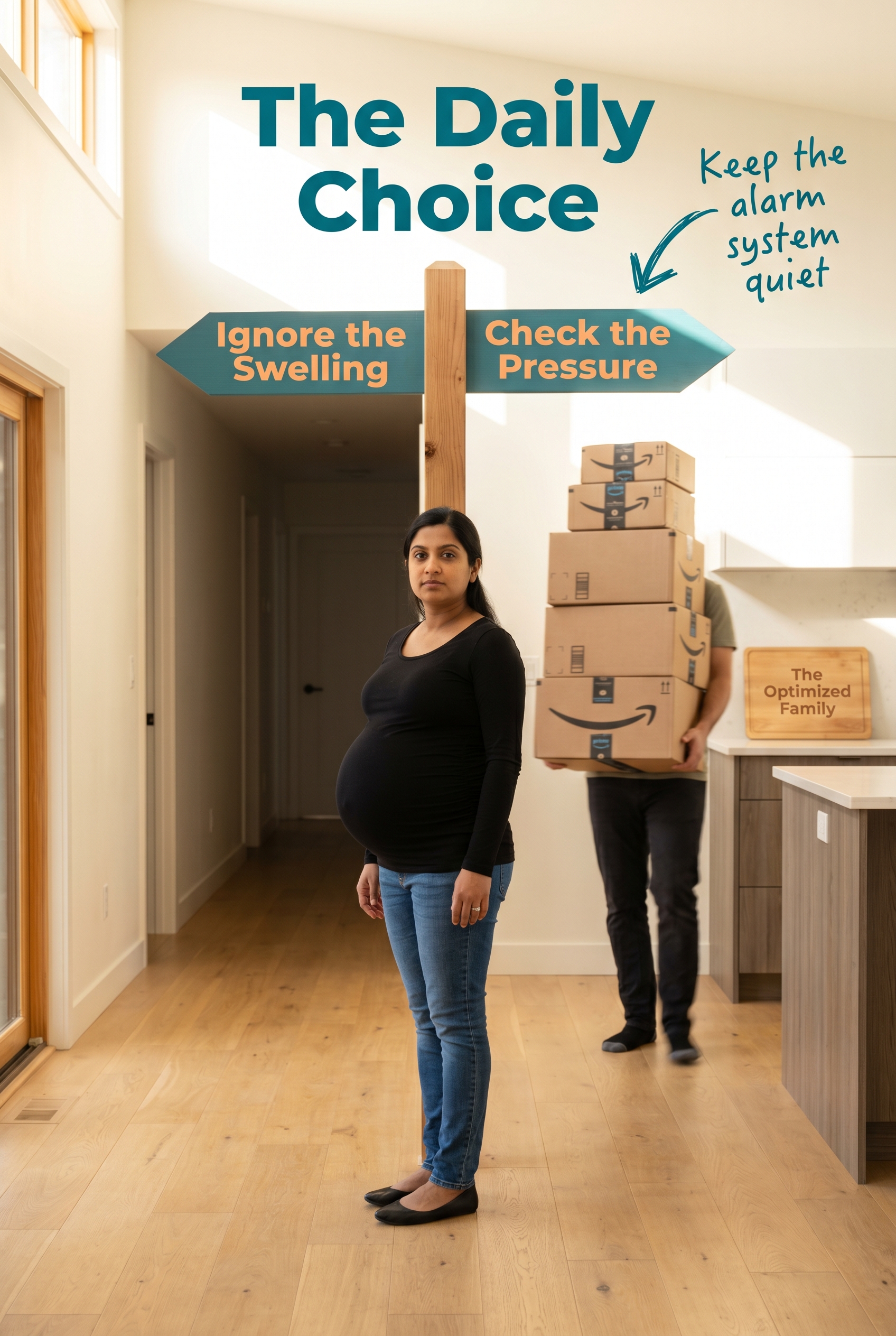
Visual disturbances, relentless headaches, and sudden severe swelling are primary indicators that your cardiovascular system is struggling. These are not normal pregnancy aches; they are urgent signals of vascular distress that warrant an immediate call to your provider or a rapid trip to your local obstetric triage unit.
Pregnancy is uncomfortable, which makes it hard to distinguish between standard third-trimester misery and a medical emergency. Use this baseline comparison to evaluate your physical state.
| Symptom Category | Normal Third Trimester | Call Someone Now |
|---|---|---|
| Swelling | Gradual puffiness in feet/ankles by evening | Sudden, severe swelling in face, hands, or eyes |
| Headaches | Dull ache relieved by rest or hydration | Blinding, throbbing pain that will not resolve |
| Vision | Normal, unchanged | Blurry spots, flashing lights, or sudden auras |
| Abdominal Pain | Round ligament stretching or mild cramping | Severe, sharp pain in the upper right quadrant |
Watch out for these specific red flags:
- Shortness of breath or feeling like you cannot fill your lungs.
- Nausea or vomiting that suddenly returns late in pregnancy.
- A dramatic decrease in urine output.
The Step-By-Step Protocol
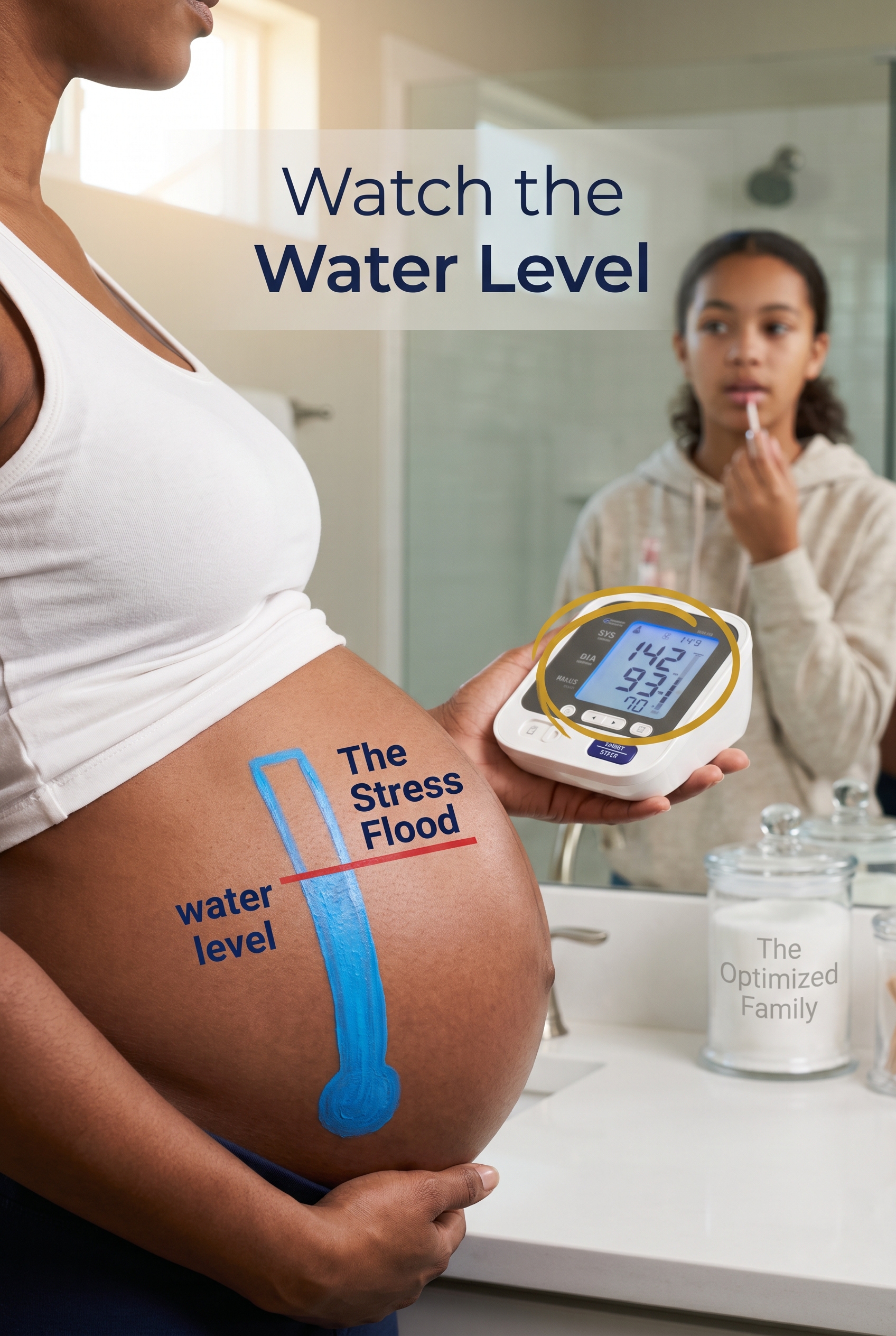
If you experience any red flag symptoms, you must stop what you are doing, contact your obstetrician or midwife immediately, and head to the nearest emergency room or labor triage unit. Do not wait for a scheduled appointment, and do not attempt to manage these blood pressure spikes at home.
Time is the most critical variable. If your provider’s office is closed, bypass the answering service and go straight to the hospital. Bring your hospital bag, your ID, and a calm but firm insistence that you need your blood pressure and urine checked immediately.
The Recovery Arc
Delivering the baby and the placenta is the primary way to resolve preeclampsia, with most maternal blood pressure levels stabilizing within 48 hours. However, vigilant monitoring remains critical because postpartum preeclampsia can still develop up to six weeks after birth, requiring ongoing blood pressure checks during your recovery phase.
The danger does not vanish the moment you leave the delivery room. You must continue to monitor your body for the exact same warning signs you watched for during the third trimester. If a severe headache or visual disturbance hits two weeks postpartum, it requires the exact same emergency response.
The Questions You would Google at 2 AM
Late-night anxiety about blood pressure spikes and strange symptoms is entirely valid during the third trimester. Below are the direct, research-backed answers to the most common middle-of-the-night worries regarding preeclampsia, helping you understand when to rest and when to wake up your partner to head to the hospital immediately.
We do the research. You do the parenting.
Stop guessing at 2 AM. Get the visual playbook.
80+ peer-reviewed studies translated into visual shortcuts you can actually use, one-handed, with a baby attached to you.

Frequently Asked Questions
Does preeclampsia only happen during your first pregnancy?
While first pregnancies carry a higher risk because the maternal immune system has not previously encountered the paternal genetics via the placenta, it can happen in any pregnancy. Risk increases with age, multiples, or if you had the condition during a previous pregnancy.
Can I prevent preeclampsia from developing?
You cannot completely prevent it, but early detection saves lives. For individuals at high risk, providers often suggest a daily 81 mg OTC option starting around 12 weeks to help reduce the likelihood of severe complications. Always consult your provider before starting any daily regimen.
What does a preeclampsia headache feel like?
Unlike a standard tension ache, a preeclampsia headache is typically severe, throbbing, and relentless. It will not resolve with rest, hydration, or standard pregnancy-safe OTC pain relief. If you experience this alongside vision changes or sudden swelling, it warrants an immediate call to your provider.
How quickly does preeclampsia resolve after delivery?
Delivering the baby and placenta is the primary way to fix the immediate danger, with maternal blood pressure usually stabilizing within 48 hours. However, postpartum preeclampsia remains a serious threat for up to six weeks, making vigilant follow-up monitoring absolutely essential for your safety.
Is sudden swelling always a sign of preeclampsia?
Mild swelling in the feet and ankles is a standard physical reality of the third trimester. However, sudden and severe swelling in your hands, face, or around your eyes is not normal. This rapid fluid retention is a major red flag requiring immediate medical evaluation.