
Key Highlights
- HELLP syndrome is a severe, rapid-onset pregnancy complication.
- Symptoms often mimic normal third-trimester discomfort or a stomach bug.
- Upper right abdominal pain requires immediate emergency medical evaluation.
- Normal blood pressure does not rule out this critical condition.
- Immediate delivery is often required to resolve the syndrome safely.
- Targeted blood tests are the only way to confirm the condition.
The Immediate Threat
HELLP syndrome is a severe, rapidly progressing pregnancy complication that poses an immediate, critical threat to both mother and baby. It requires urgent medical evaluation and intervention because it can escalate from mild, vague symptoms to life-threatening internal organ distress within a matter of hours.
We do the research. You do the parenting. Right now, parenting means protecting your own life so you can protect your baby’s. HELLP stands for Hemolysis (breaking down of red blood cells), Elevated Liver enzymes, and Low Platelet count. It is a variant of severe preeclampsia that fundamentally alters how your blood and liver function, turning your body’s essential systems against themselves.

The Clinical Mechanism
The clinical mechanism of HELLP involves a sudden, dangerous breakdown in your cardiovascular system where red blood cells are destroyed, liver function is impaired, and blood loses its ability to clot properly. This cascading failure creates a highly unstable and dangerous environment inside the body.
When this cascade begins, the physical changes are entirely invisible from the outside. Hemolysis means your red blood cells are breaking apart too early, starving your tissues of oxygen. Elevated liver enzymes indicate your liver is actively sustaining damage and swelling against its capsule. Low platelets mean your blood cannot clot, exponentially increasing the risk of severe internal bleeding.
According to the Preeclampsia Foundation, approximately 15 to 20 percent of individuals experiencing HELLP do not present with high blood pressure, making the condition incredibly deceptive and difficult to catch without vigilance.
| Acronym Letter | What It Means | The Internal Impact |
|---|---|---|
| H | Hemolysis | Red blood cells are destroyed rapidly, reducing vital oxygen transport. |
| EL | Elevated Liver enzymes | Liver tissue is inflamed and damaged, causing severe swelling and pain. |
| LP | Low Platelets | Blood loses its clotting ability, creating severe hemorrhage risks. |
Critical Warning Signs
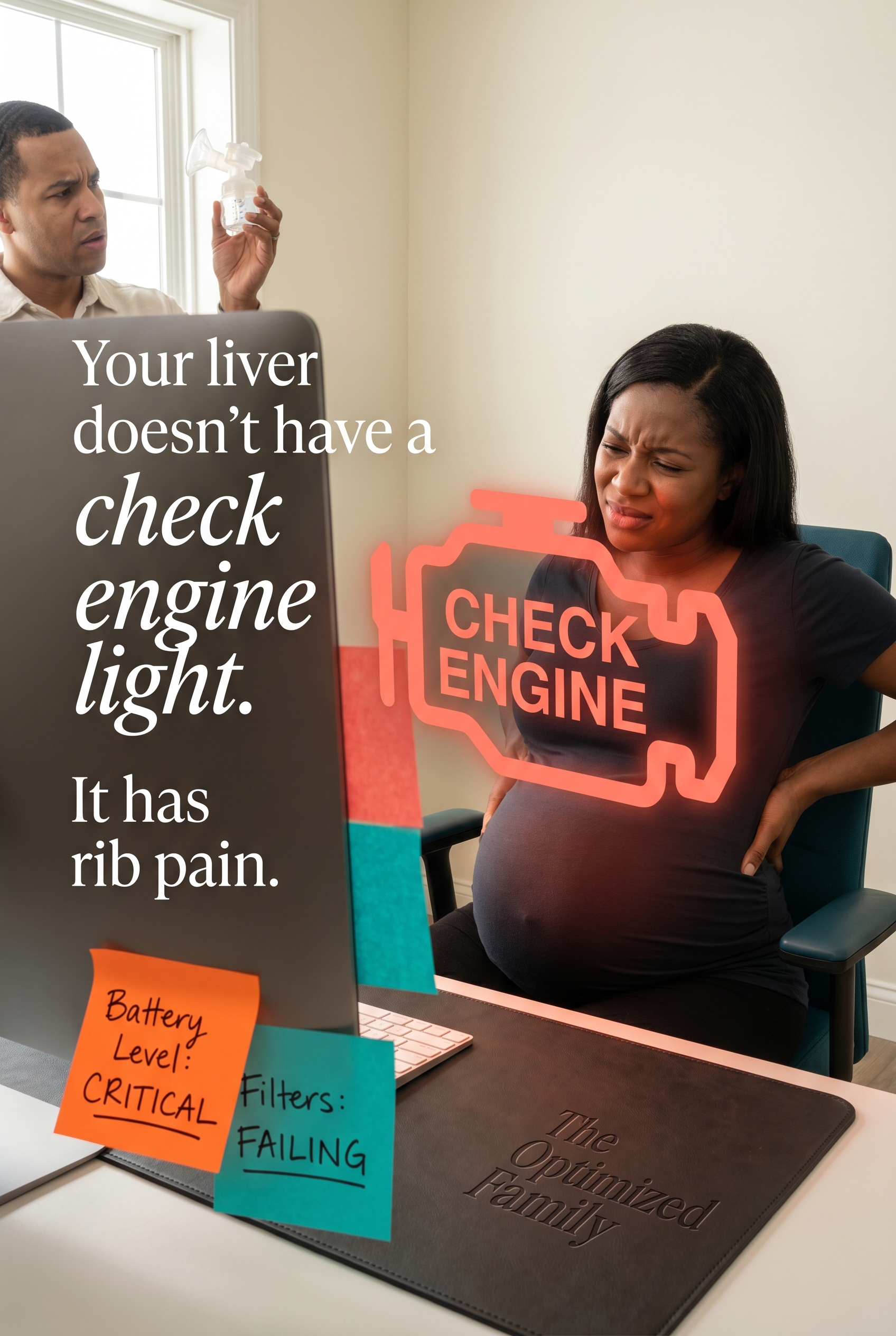
The critical warning signs often disguise themselves as a standard stomach bug or late-pregnancy fatigue, making them incredibly easy to ignore. The most urgent red flag is upper right abdominal pain, often accompanied by severe nausea, unrelenting headaches, and sudden visual disturbances.
Do not dismiss these signs as normal third-trimester discomfort. Because the liver sits in the upper right quadrant of your abdomen, rapid swelling in this organ causes intense, localized pain.
You must watch for these specific indicators:
- Pain or tenderness in the upper right abdomen or radiating to the right shoulder.
- Sudden, severe nausea or vomiting arriving late in the third trimester.
- A headache that will not go away with standard OTC options or rest.
- Changes in vision, such as blurriness, light sensitivity, or seeing spots.
- Extreme, sudden swelling in the face, hands, or lower extremities.

- Assess Your Symptoms: Immediately evaluate your body for upper right quadrant abdominal pain, severe nausea, or an unrelenting headache.
- Seek Immediate Medical Care: Bypass normal appointment scheduling and head directly to labor and delivery triage or the nearest emergency room.
- Advocate for Blood Tests: Explicitly request a blood pressure check, a complete blood count panel, and liver enzyme tests upon arrival.
- Prepare for Rapid Intervention: Understand that confirming this condition will likely result in the immediate delivery of your baby to protect your life.
Exact Emergency Steps
The exact emergency steps require you to bypass standard appointment scheduling and proceed directly to an emergency room or labor and delivery triage unit. You must advocate for immediate blood work and continuous blood pressure monitoring to assess your liver and platelet function.
Time is the most critical factor with this condition. If you experience the warning signs, follow a strict escalation protocol to get help immediately:
- Stop all current activities immediately and do not attempt to “sleep it off.”
- Call your obstetric provider to inform them you are heading to the hospital, or call emergency services if you cannot drive safely.
- State clearly at triage that you are experiencing upper right abdominal pain and suspect a severe preeclampsia variant.
- Request a complete blood count and liver enzyme panel, as blood tests are the only way to evaluate this specific danger.
Post-Triage Recovery
Post-triage recovery focuses entirely on stabilizing the mother’s vital systems, which almost always necessitates the immediate and urgent delivery of the baby. Once the baby is safely delivered, the maternal body can slowly begin to reverse the dangerous liver and blood abnormalities.
The only way to resolve HELLP syndrome is through delivery, often urgently, regardless of the baby’s gestational age. Delaying delivery can lead to liver rupture, stroke, or severe bleeding disorders. After delivery, you will require intensive monitoring. According to the American College of Obstetricians and Gynecologists, maternal organ function typically begins to stabilize within a few days postpartum, though strict observation in a high-dependency unit is standard protocol to ensure complete recovery.
We do the research. You do the parenting.
Stop guessing at 2 AM. Get the visual playbook.
80+ peer-reviewed studies translated into visual shortcuts you can actually use, one-handed, with a baby attached to you.

Frequently Asked Questions
Can I have HELLP syndrome without high blood pressure?
Yes. While it is considered a variant of preeclampsia, a significant percentage of individuals with this condition have completely normal blood pressure readings. This is why you must never ignore upper right abdominal pain or severe nausea, even if your blood pressure appears perfect at home.
How do doctors confirm I have this condition?
The only definitive way to identify this syndrome is through specific blood tests. Providers will run a complete blood count to check your platelet levels and red blood cells, alongside a comprehensive metabolic panel to evaluate your liver enzymes for damage.
Does this mean I will need an emergency C-section?
Not always, but it is highly likely. The primary goal is to safely and rapidly deliver the baby to halt the progression of maternal organ damage. If your cervix is favorable, induction might be attempted, but severe cases usually warrant immediate surgical delivery.
Will this affect my liver permanently?
For the vast majority of individuals, liver function returns to normal after delivery once the underlying pregnancy complication is resolved. However, the recovery process requires close medical supervision in the days following birth to ensure your enzyme levels and platelet counts are improving.
If I had it in one pregnancy, will I get it again?
Experiencing this complication does increase your risk of developing it, or standard preeclampsia, in future pregnancies. Your provider will likely monitor you much more closely in subsequent pregnancies and may suggest preventative strategies like low-dose aspirin starting in the first trimester.