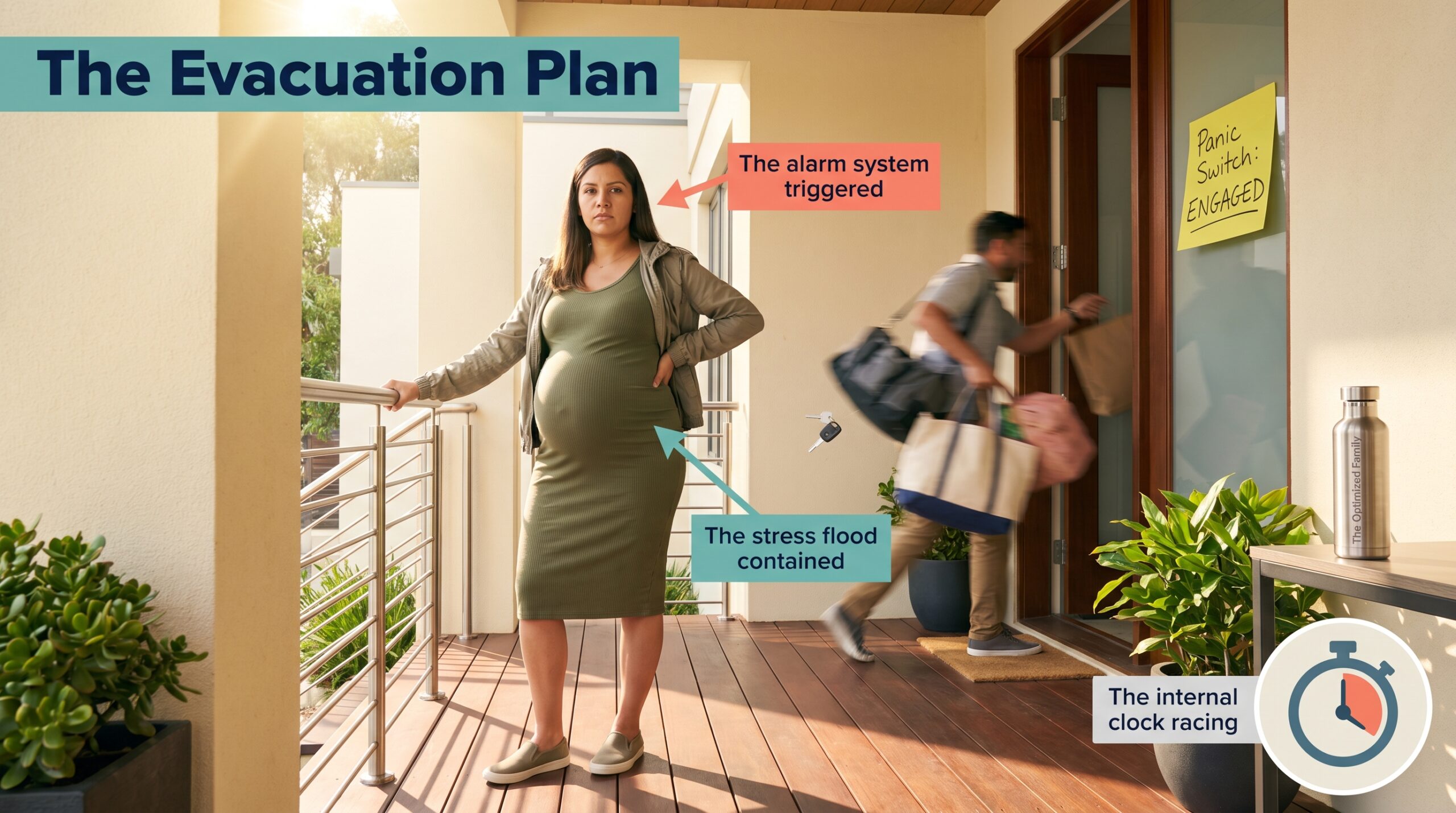
Key Highlights
- Blood pressure checks escalate in the third trimester to monitor for preeclampsia risks.
- Preeclampsia is a severe hypertensive condition developing suddenly after 20 weeks of pregnancy.
- Normal blood pressure during pregnancy remains consistently below 120/80 mmHg at all times.
- Warning signs include severe headaches, visual changes, upper right belly pain, and sudden swelling.
- The condition can escalate rapidly into life-threatening emergencies requiring immediate hospital evaluation.
- Delivering the baby and placenta is the only definitive way to resolve the condition.
We do the research. You do the parenting. Right now, you need clear facts about why the blood pressure cuff comes out at every single prenatal appointment.
What This Actually Is
Preeclampsia is a severe, pregnancy-specific condition characterized by high blood pressure and potential organ strain that can develop suddenly after 20 weeks. It requires intense monitoring because it can escalate without warning, making those routine blood pressure checks a critical safety measure for you and your baby.
According to the Centers for Disease Control and Prevention, preeclampsia affects about 1 in 25 pregnancies in the United States. Normal blood pressure during pregnancy is below 120/80 mmHg. If your readings hit 140/90 or higher on two occasions at least four hours apart, your provider will look for protein in your urine or other signs of organ stress to determine what is going on.
What Is Happening In The Body
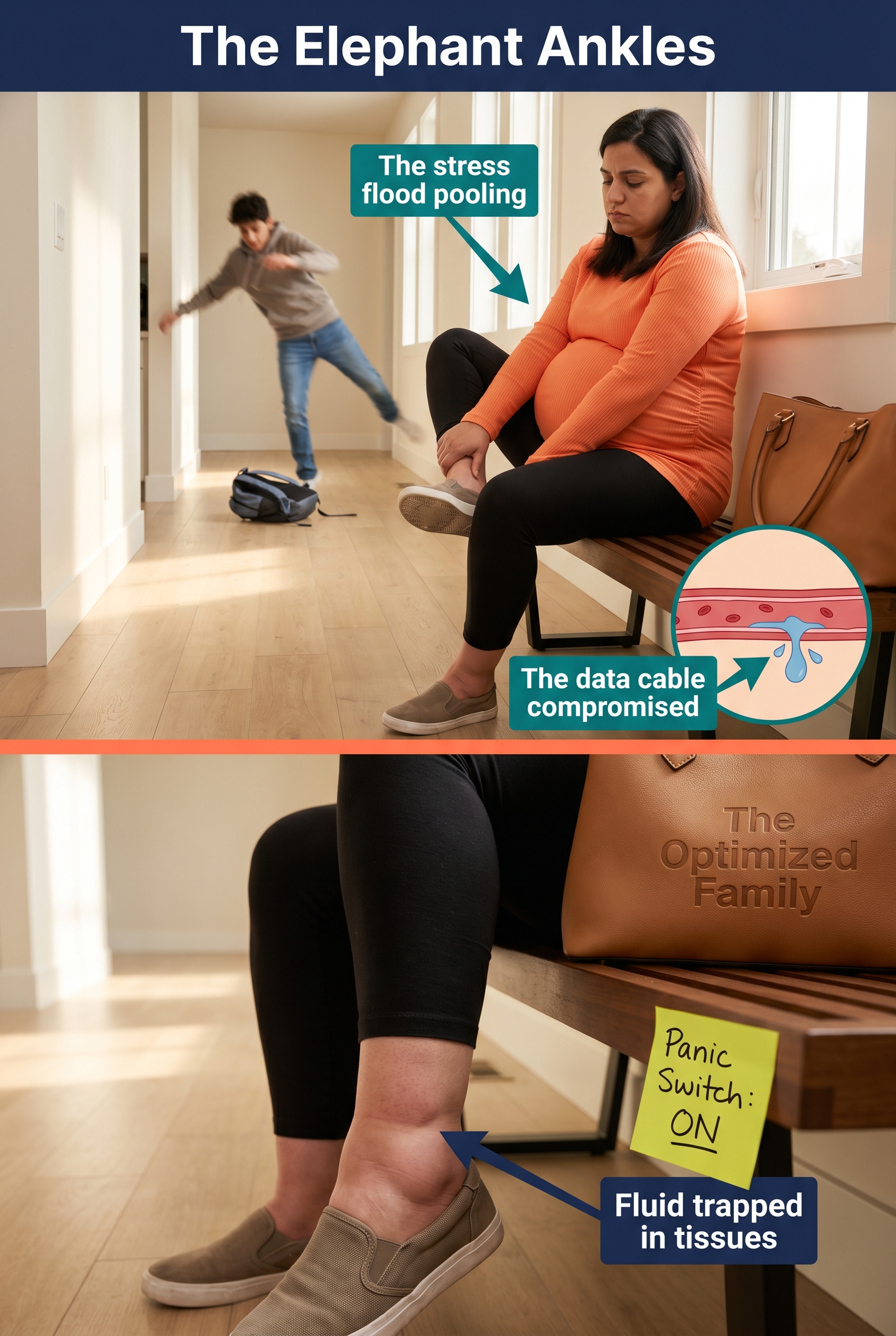
The exact mechanism starts in the placenta, where blood vessels do not develop properly, leading to poor blood flow. Your body responds by raising maternal blood pressure to push more blood through, which subsequently causes widespread inflammation and places massive strain on your kidneys, liver, and brain.
This vascular dysfunction is why the condition is progressive. It does not resolve on its own while you are pregnant. If left unchecked, the elevated pressure forces fluid into your tissues, causing severe swelling. It can also irritate your central nervous system, leading to visual disturbances or, in extreme cases, seizures (a progression known as eclampsia). The American College of Obstetricians and Gynecologists notes that this condition can escalate within hours.
Symptoms That Require Action Now
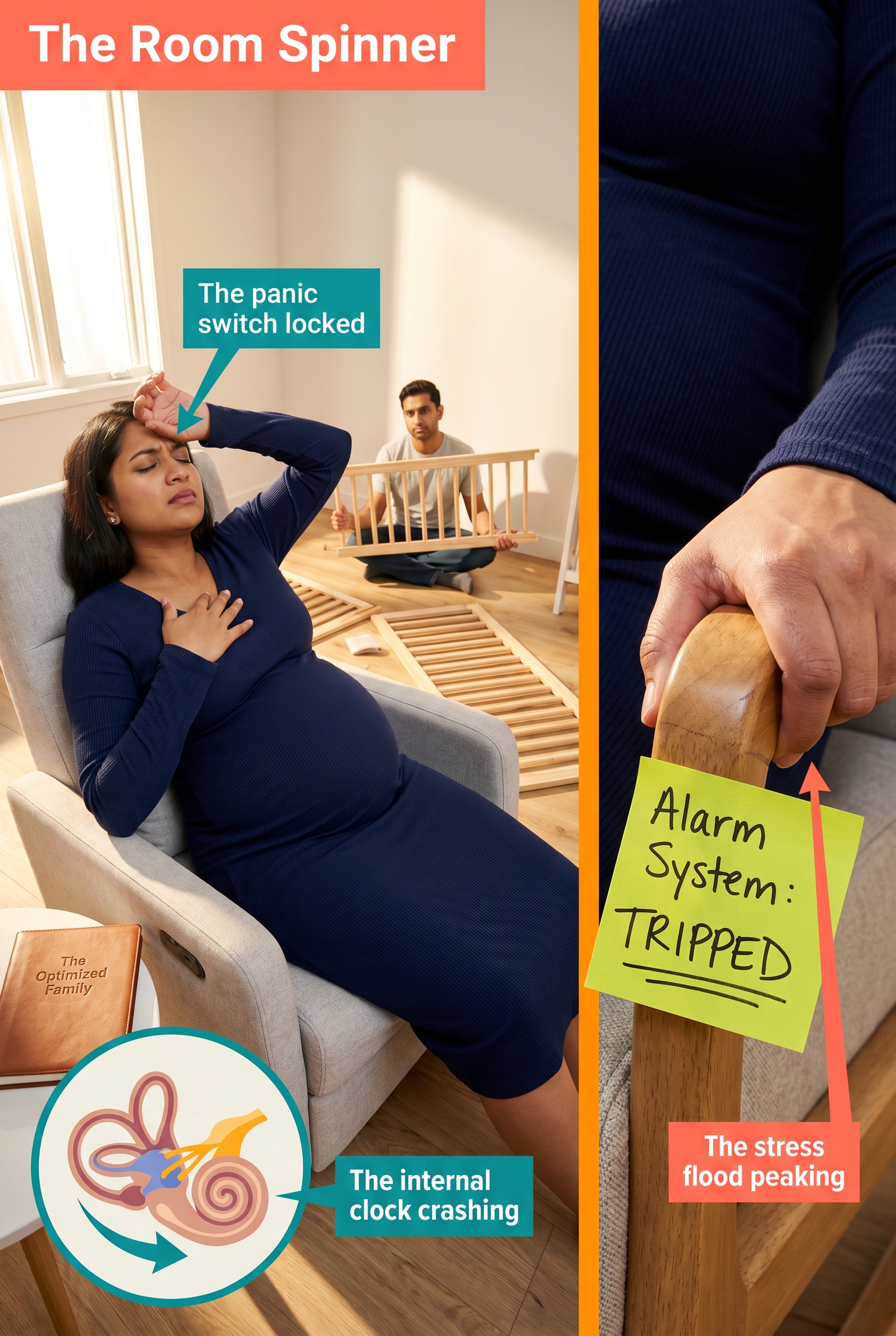
You must know the physical warning signs that indicate your blood pressure is reaching dangerous levels. These symptoms warrant an immediate call to your provider or a trip to obstetric triage, as they signal potential organ strain that can escalate into a life-threatening emergency if ignored.
Do not wait for your next appointment if you experience any of the following:
- Severe headaches that do not ease with typical OTC options.
- Visual disturbances (blurriness, seeing spots, or flashing lights).
- Upper right abdominal pain, which indicates liver swelling.
- Sudden, severe swelling, particularly in your face and hands.
- Nausea or vomiting that suddenly appears in the third trimester.
| Symptom Category | Normal Pregnancy Discomfort | Warrants Immediate Evaluation |
|---|---|---|
| Headaches | Mild, dull ache that eases with rest | Blinding pain that does not respond to OTC options |
| Vision | Normal baseline vision | Flashing lights, floaters, or sudden blurriness |
| Swelling | Gradual ankle swelling by evening | Sudden puffiness in the face and hands |
| Abdominal Pain | Round ligament stretching | Sharp, unrelenting pain in the upper right quadrant |
What To Do In The Next 10 Minutes
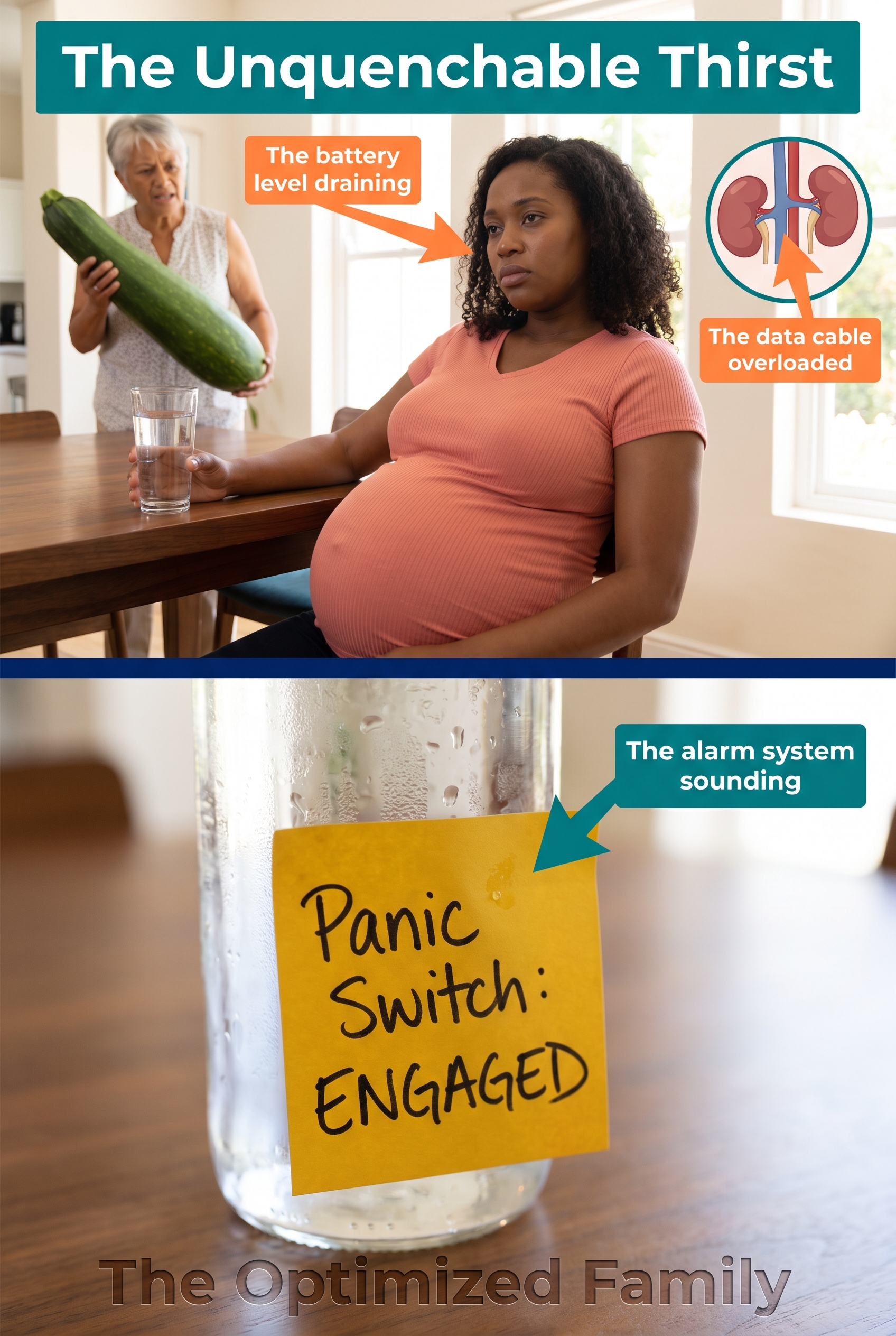
If you recognize any of these severe warning signs, stop what you are doing and contact your provider’s emergency line or head straight to the nearest emergency room. Do not attempt to drive yourself; have someone else drive you or call for emergency transport immediately.
Time is critical. Rapid escalation can lead to HELLP syndrome—a severe complication involving liver failure and blood clotting problems. Grab your hospital bag if you have it, but do not delay your departure to pack one. Write down your most recent symptoms and when they started so you can hand that information directly to the triage nurse.
- Monitor Blood Pressure: Check your blood pressure daily using a validated home cuff if advised by your provider.
- Scan for Swelling: Check your body for sudden, severe swelling in your hands or face every morning.
- Track Visual Changes: Note any unusual visual changes like flashing lights, blurriness, or seeing spots.
- Evaluate Headaches: Contact your provider immediately if you experience a severe headache that will not go away.
What Happens After The Emergency
Once you are evaluated, your provider will weigh the risks of early delivery against the risks of continuing the pregnancy. Delivering the baby and the placenta is the only definitive way to resolve preeclampsia, though your care team will closely monitor your stability postpartum.
The World Health Organization highlights that prompt intervention drastically improves outcomes for both mother and child. Depending on your gestational age, you might be admitted for continuous monitoring, or, if the situation dictates, you may proceed to delivery. Your blood pressure will still require careful observation for several days or weeks after birth, as postpartum preeclampsia remains a documented risk.
Questions Parents Actually Ask
When facing a sudden complication like preeclampsia, it is completely normal to feel overwhelmed and full of questions. Here are the most common concerns parents have when navigating elevated blood pressure in the third trimester, answered with straightforward facts to help you understand your next steps.
We do the research. You do the parenting.
Stop guessing at 2 AM. Get the visual playbook.
80+ peer-reviewed studies translated into visual shortcuts you can actually use, one-handed, with a baby attached to you.

Frequently Asked Questions
Can I prevent preeclampsia from developing?
There is no guaranteed way to prevent preeclampsia entirely, though providers sometimes suggest low-dose aspirin starting in the first trimester for high-risk individuals. Focus on attending all prenatal appointments so your care team can catch any blood pressure spikes early and take appropriate action.
Why does the swelling happen mainly in the face and hands?
While normal pregnancy swelling pools in your feet and ankles due to gravity, preeclampsia causes widespread vascular leaking. The fluid shifts into tissues throughout your entire body, making sudden puffiness in your face, around your eyes, and in your hands a critical warning sign.
Is my baby safe if my blood pressure is high?
Elevated maternal blood pressure reduces blood flow through the placenta, which can impact your baby’s oxygen and nutrient supply. Your provider will monitor fetal movement, heart rate, and growth closely to ensure your baby remains safe while balancing the timing of delivery.
Will I definitely need a cesarean section?
Not necessarily. While an emergency delivery sometimes requires a cesarean section, many individuals with preeclampsia successfully undergo vaginal deliveries, often through induction. Your obstetric team will determine the safest delivery method based on how quickly your symptoms are progressing and your baby’s status.
Does preeclampsia go away immediately after birth?
Delivering the placenta stops the root cause, but your blood pressure can remain elevated for several days or weeks. You will require close postpartum monitoring, as the risk for complications persists. Always report severe headaches or vision changes even after you bring your baby home.