Key Highlights
- Taking a hospital tour between weeks 30 and 36 significantly reduces birth-related anxiety.
- Knowing exactly where to park at 2 AM prevents adrenaline from stalling early labor.
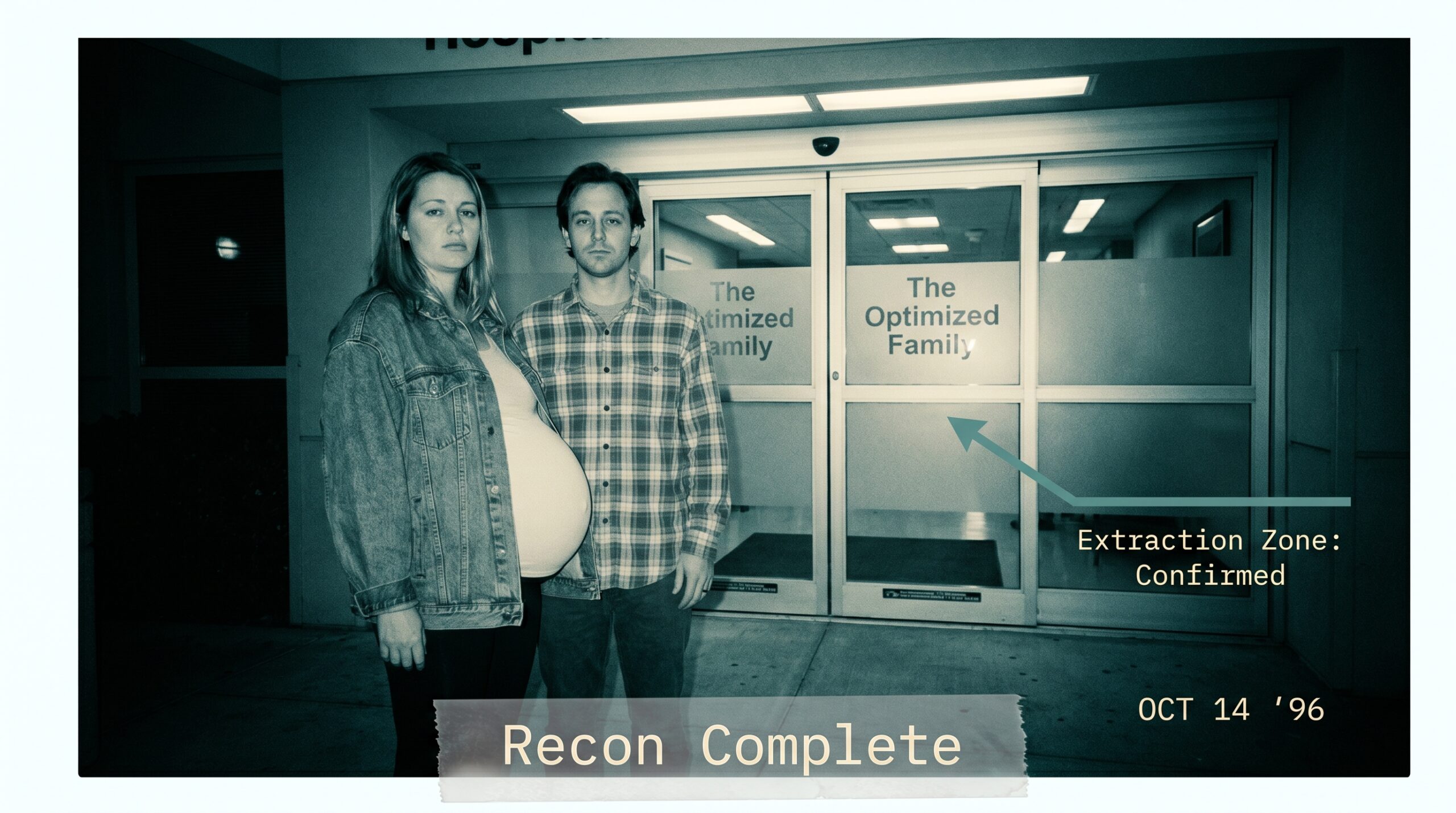
- Locating the triage entrance in advance removes a major source of logistical panic.
- Familiarity with the physical delivery room helps your brain focus on actual labor.
- Identifying the partner coffee station is critical for maintaining support team morale.
- Virtual tours offer logistical value, but in-person visits provide superior psychological grounding.
The 3 AM Reality
Picture this: you are having intense contractions in the dark, your partner is frantically navigating a labyrinth of identical concrete parking garages, and neither of you knows which door is unlocked. This midnight panic is exactly why taking a hospital tour in the third trimester is a non-negotiable logistical necessity.
We do the research. You do the parenting. And the research says that wandering around a sterile medical campus while breathing through a contraction is a terrible plan. Between weeks 30 and 36, you need to physically walk the halls of your chosen birth center to strip away layers of uncertainty.
The Biomechanics
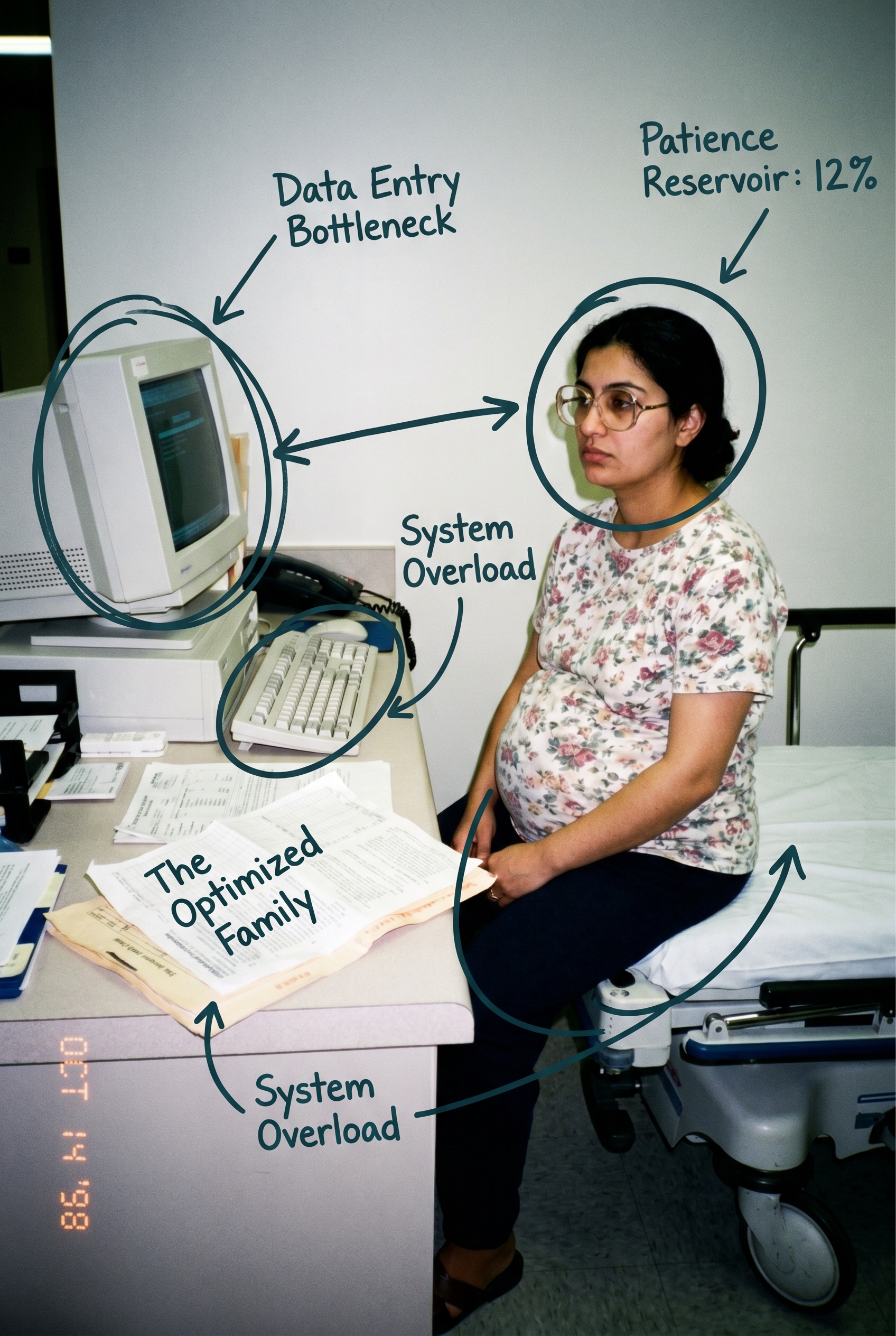
Fear of the unknown directly spikes your cortisol and adrenaline levels, which biologically signals your body that you are unsafe. This stress response can actually slow down or halt early labor progress, making a simple logistical unknown like parking a literal roadblock to your physical progression.
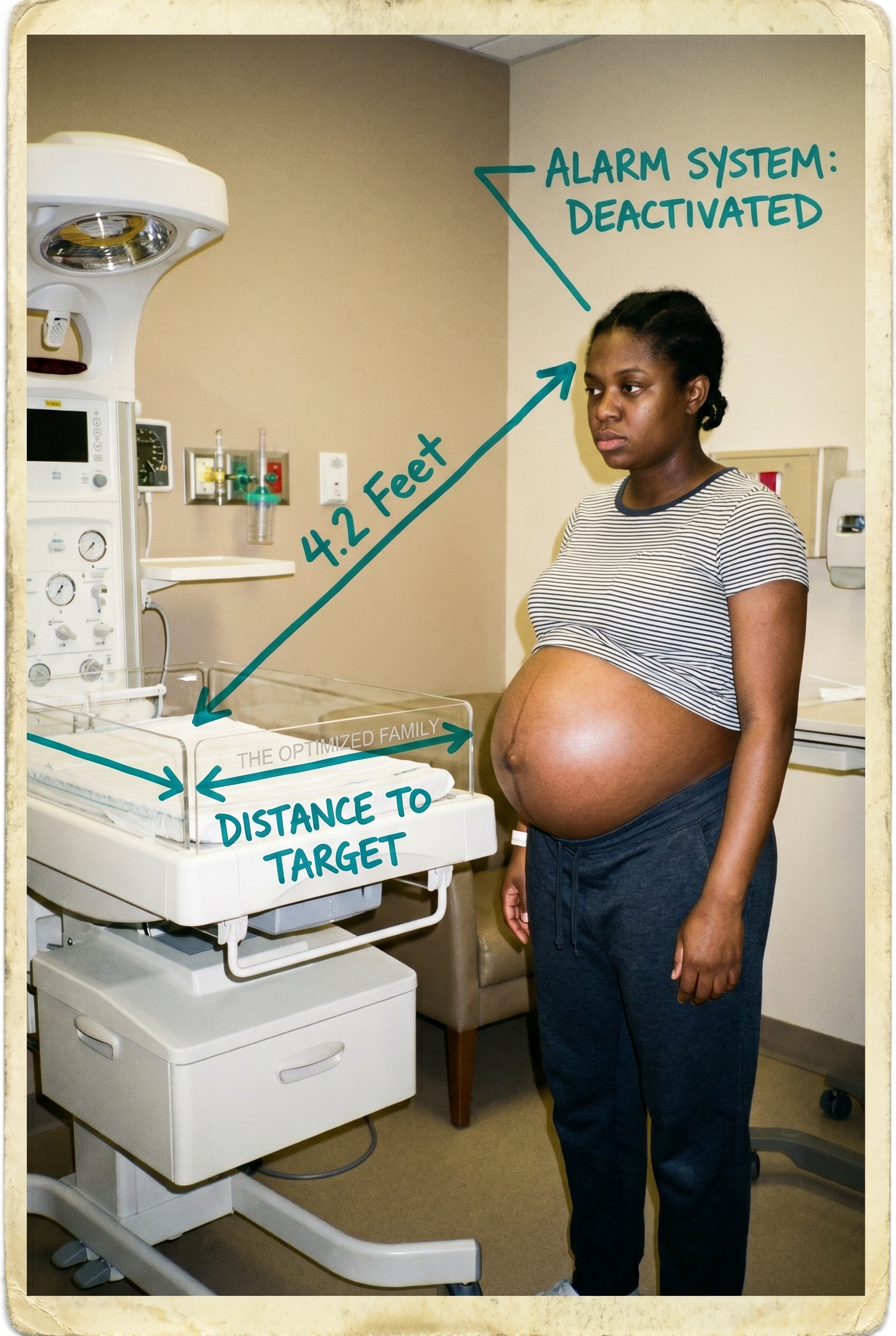
When you enter an unfamiliar environment, your mammalian brain goes on high alert. According to the Harvard Center on the Developing Child, managing maternal stress is critical for healthy perinatal outcomes. If you do not know what the monitoring equipment sounds like, every beep will trigger a fight-or-flight response. By seeing the delivery room, the birthing tubs, and the postpartum recovery areas in advance, you normalize the environment so your body can focus on the physics of birth.
What Is Actually Normal vs What Is Not
Feeling overwhelmed by the sheer amount of medical equipment in a delivery room is a completely normal psychological reaction. However, letting that fear paralyze your birth preparation to the point of avoiding the hospital entirely is not normal and requires proactive, practical familiarization through a guided tour.
Here is a breakdown of what to expect when you finally walk through those sliding doors.
| Observation | Completely Normal | Needs Immediate Attention |
|---|---|---|
| The Entrance | Being confused by daytime vs. nighttime doors. | Discovering the ER entrance is closed at night without a backup plan. |
| The Equipment | Feeling intimidated by the fetal monitors. | Refusing to enter the room due to severe, unmanageable panic. |
| The NICU | Asking where it is just in case. | Fixating exclusively on worst-case scenarios and ignoring labor prep. |
To get the most out of your visit, keep your priorities focused on the physical space. Find the after-hours triage desk, locate the partner coffee situation, and note the availability of showers or labor tubs.
What You Can Actually Do
You can systematically eliminate logistical anxieties by using your hospital tour as a strategic reconnaissance mission. Ask explicit questions about parking validation, visitor policies, and the exact path from the emergency room doors to the labor triage desk so your brain can automate the journey later.
If you want to optimize this process, work with the tour like a tactical briefing. Up to 80% of birthing people report significant anxiety regarding the clinical environment, according to data from the World Health Organization.
Here is your reconnaissance list for the day:
- Drive the route at night to see what the lighting and traffic look like.
- Ask the guide to explain the nurses’ call system.
- Check the cell phone reception in the delivery ward.
- Find out exactly where your partner is allowed to stand during triage.
Many hospitals offer virtual tours on their websites. While these are excellent if you are on bed rest or face mobility issues, putting your actual feet on the linoleum provides superior psychological grounding.
- Schedule the tour early: Book your hospital or birth center tour between weeks 30 and 36 of your pregnancy to ensure you secure a spot before labor begins.
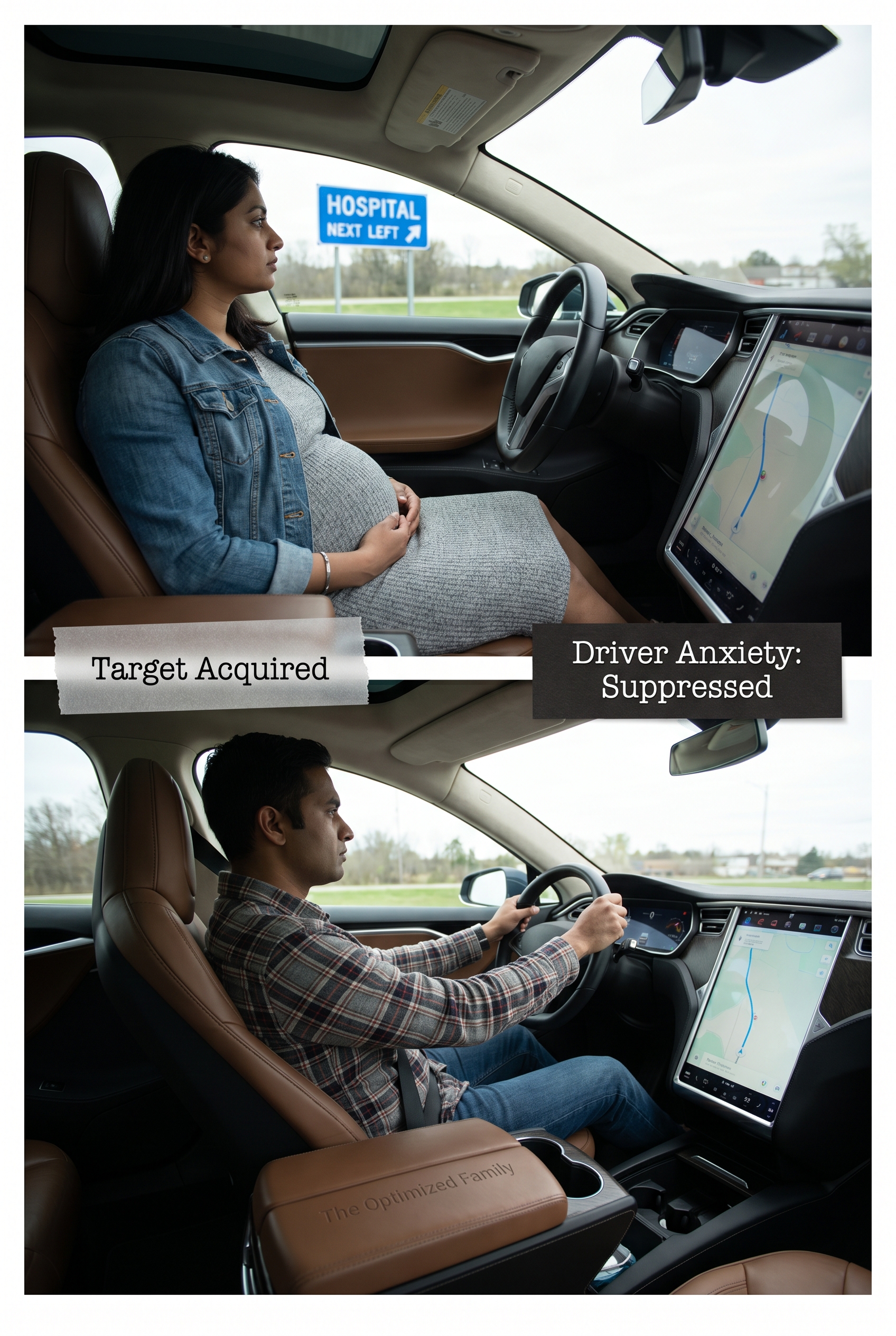
- Map the midnight route: Physically drive to the hospital at night, locate the after-hours triage entrance, and figure out exactly where to park your car.
- Inspect the room equipment: Look at the monitoring machines, bed setup, and available comfort options like birthing tubs to normalize the clinical environment.
- Locate the safety nets: Ask the guide to point out the neonatal intensive care unit and the operating rooms so you understand the building layout without fear.
When To Get Medical Attention
If your fear of the hospital environment escalates into severe panic attacks, insomnia, or an inability to function during your third trimester, this warrants an immediate call to your provider. Severe perinatal anxiety requires professional support beyond a simple walking tour of the maternity ward.
Logistical planning is meant to ease your mind, not break it. If mapping the parking garage triggers a spiral, step back. Your provider can connect you with a maternal mental health specialist who can help you build coping strategies for the clinical setting.
Frequently Asked Questions
Navigating hospital policies and tour schedules can leave expecting parents with a host of highly specific, localized questions. Below, we address the most common logistical concerns regarding third-trimester maternity tours to ensure you arrive at the triage desk feeling prepared, grounded, and ready for labor.
We do the research. You do the parenting.
Stop guessing at 2 AM. Get the visual playbook.
80+ peer-reviewed studies translated into visual shortcuts you can actually use, one-handed, with a baby attached to you.

Frequently Asked Questions
When is the best time to schedule my hospital tour?
You should aim to complete your hospital or birth center tour between weeks thirty and thirty-six of your pregnancy. Booking early ensures you secure a spot, as these tours fill up quickly, and guarantees you have the logistical knowledge locked down well before any unpredictable early labor begins.
Are virtual hospital tours as effective as in-person visits?
Virtual tours are excellent for understanding room layouts and hospital policies if you are on bed rest or face scheduling conflicts. However, physically walking the halls provides superior psychological grounding, allowing your brain to process the sights, sounds, and physical distance from the parking lot to the triage desk.
What should my partner focus on during the tour?
Your partner should treat the tour like a logistical dry run. They need to locate the after-hours entrance, figure out the parking validation process, and identify the nearest coffee or food stations. Their primary job is to handle the environmental friction so you can focus entirely on the labor process.
Will seeing the medical equipment increase my birth anxiety?
While the monitors and machines might initially look intimidating, seeing them in a calm, non-emergency setting actually helps demystify the environment. Understanding what the equipment does and what the alarms sound like prevents your brain from interpreting those standard clinical noises as a threat during the actual delivery.
Do we need to bring anything with us on the tour?
You do not need to bring your hospital bags on the tour, but you should bring a notepad and a list of specific questions. Wear comfortable walking shoes, as hospital campuses are massive. Take notes on visitor policies, cell phone reception, and where to store your luggage during triage.