
Key Highlights
- During weeks 36 to 40, your baby gains roughly half a pound every single week.
- This rapid expansion is mostly subcutaneous fat, creating crucial energy reserves for birth.
- Newborns lose heat four times faster than adults, making this fat layer biologically essential.
- The adorable chubby cheeks actually serve as an evolutionary trigger for parental caregiving instincts.
- Premature babies miss this fattening phase, making temperature and blood sugar regulation much harder.
- The physical toll on your pelvis during this final expansion phase is intense but temporary.
What They Do not Tell You
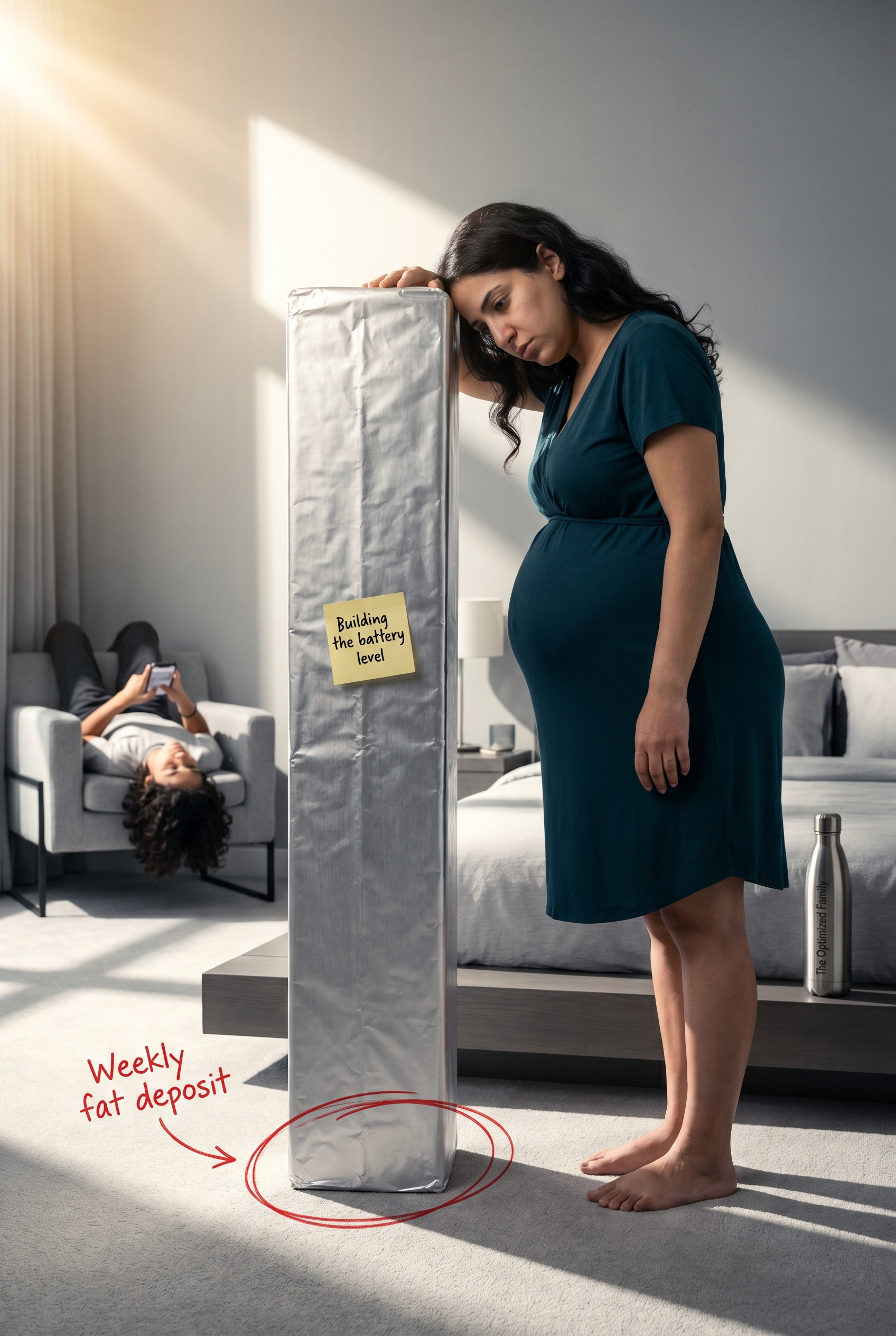
In the final month of pregnancy, your baby transforms from a lean skeletal structure into a dense, heavy bowling ball. They are packing on approximately half a pound of pure subcutaneous fat every single week. This rapid expansion is biologically necessary for their survival, even as it destroys your center of gravity.
We do the research. You do the parenting. And right now, the research says you are carrying an aggressively expanding roommate. Between weeks 36 and 40, your baby is doing one primary job: getting fat. The delicate flutters of the second trimester are gone, replaced by the heavy, grinding reality of a human being who is running out of space but refusing to stop growing.
The Physical Reality
The biological reality of this final month is extreme fat deposition. Your baby is building an insulating layer beneath their skin to survive the outside world. Newborns lose heat four times faster than adults, so this rapid half-pound weekly weight gain is the only thing keeping them warm after birth.
This aggressive weight gain serves three distinct, non-negotiable purposes. First, it provides critical energy reserves. Because feeding takes time to establish, a healthy newborn will typically lose seven to ten percent of their birth weight in the first few days of life Source. The fat they pack on right now is their biological safety net.
Second, it is pure insulation. The transition from a 98.6-degree liquid environment to a 70-degree dry room is a massive thermal shock, and because newborns lose heat at four times the rate of an adult Source, they desperately need that subcutaneous padding.
Third, it is a survival mechanism of the psychological variety. Those characteristic chubby cheeks, dimpled elbows, and wrist rolls are an evolutionary adaptation designed to trigger fierce caregiving instincts in exhausted adults Source. They are literally getting cute so you will protect them.
The Cost That Nobody Warned You About
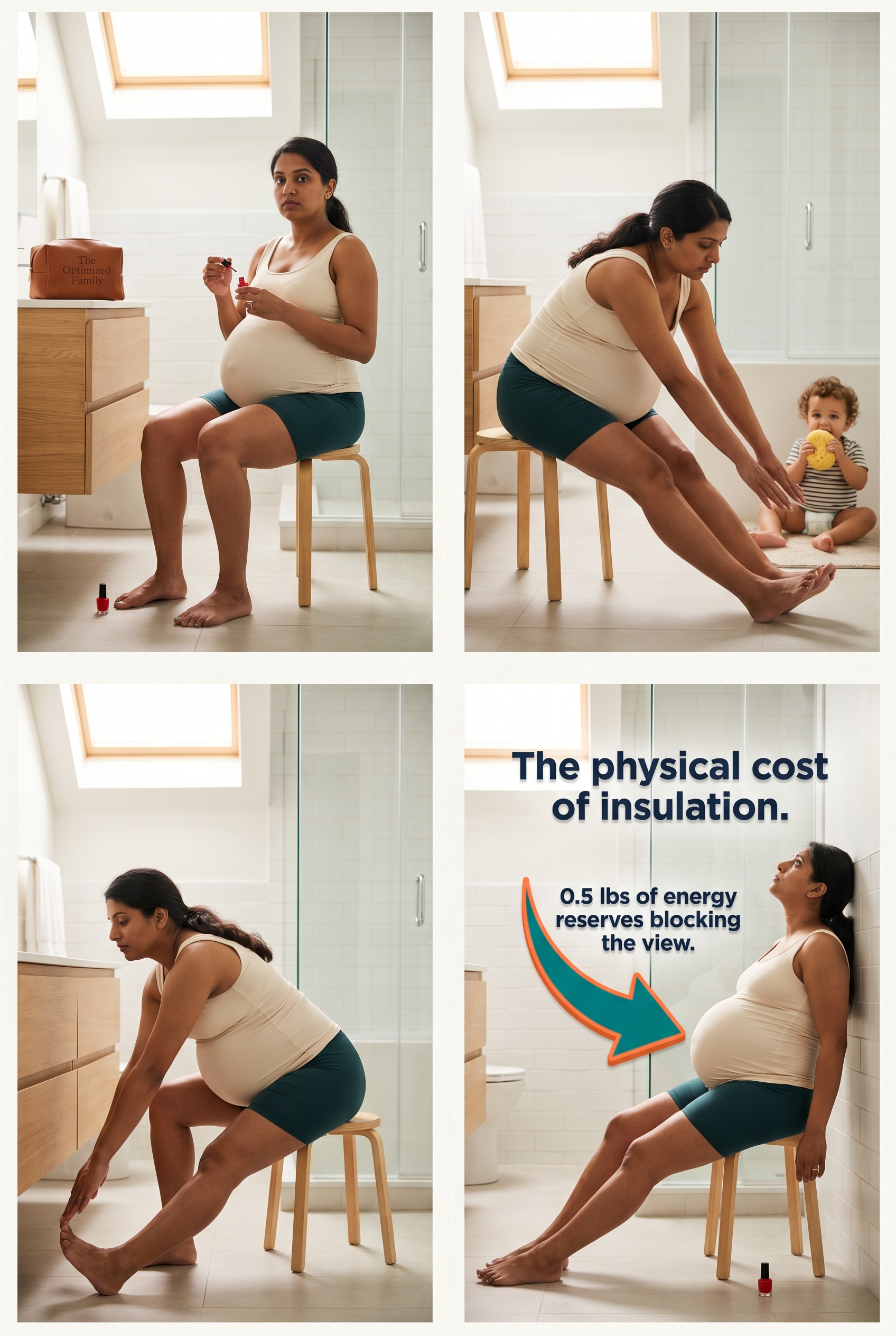
The physical cost of your baby gaining half a pound weekly falls entirely on your pelvis, lower back, and lungs. Because this weight is entirely front-loaded, your spine is pulled out of alignment, your pelvic floor bears maximum pressure, and your diaphragm loses the space required for deep breaths.
This is where the uncomfortable truth sets in. You are the structural support system for a rapidly expanding project. The American College of Obstetricians and Gynecologists notes that this half-pound weekly gain is standard for the final four weeks Source, but standard does not mean easy.
| Sensation | The Biological Cause | What It Means |
|---|---|---|
| Lightning Crotch | Baby’s heavy head hitting cervical nerves | Normal structural load |
| Breathlessness | Uterus pushing against the diaphragm | Normal space constraint |
| Severe Swelling | High blood pressure or fluid retention | Call your provider immediately |
| Decreased Movement | Fetal distress or low fluid | Call your provider immediately |
Small Things That Actually Move The Needle
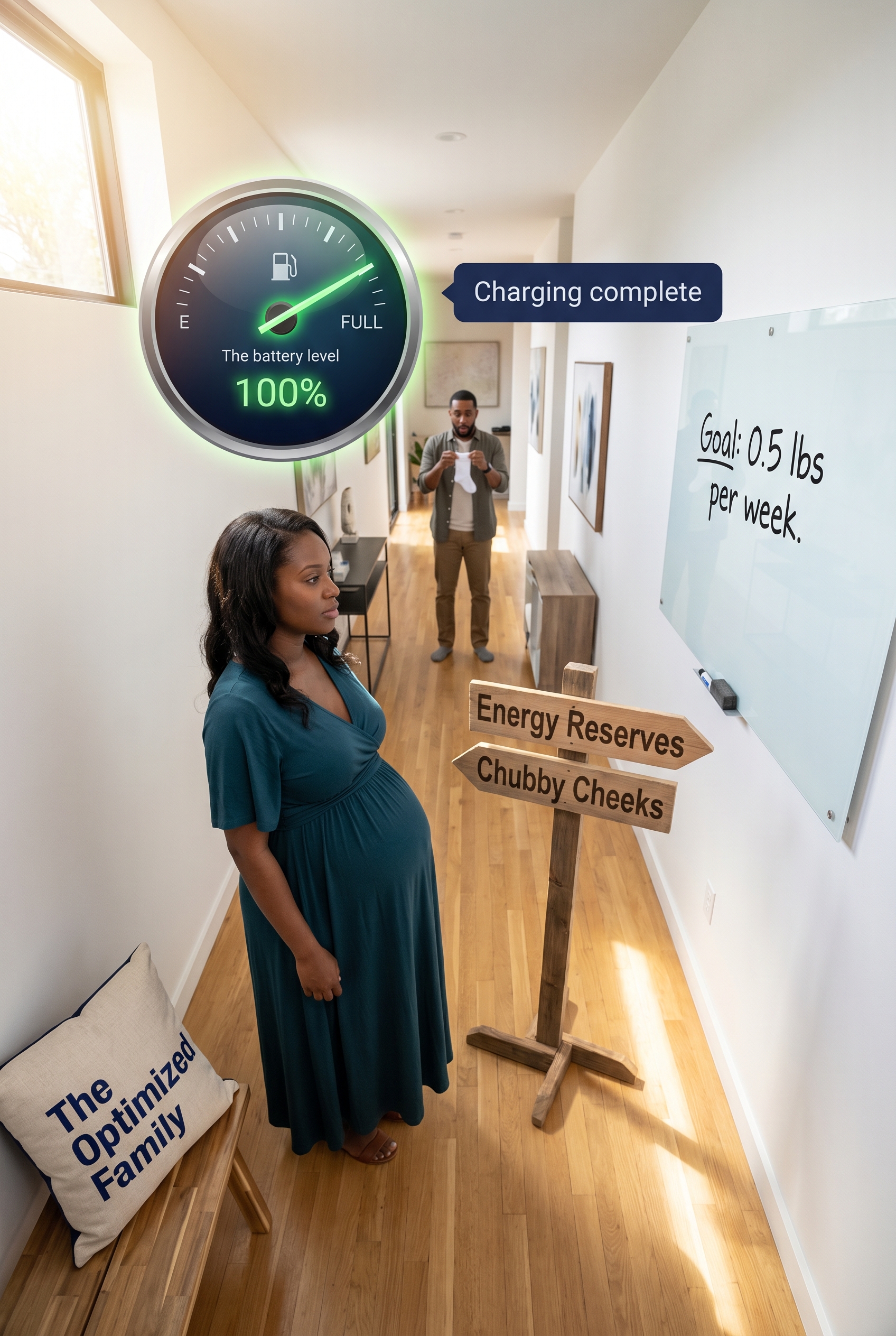
You cannot stop the rapid weight gain, but you can manage the structural load. Shifting your posture, using targeted pelvic support garments, and utilizing gravity-neutral resting positions will help reduce the immediate pressure on your spine and pelvic floor during these final heavy weeks.
When your body feels like it is carrying a sack of wet cement, you need mechanical solutions. Here is what actually helps:
- Offload the weight: Spend ten minutes on your hands and knees. Let gravity pull the baby away from your spine and pelvic floor.
- Bind the load: A rigid belly band can act as a secondary set of core muscles, lifting the baby just enough to ease the strain on your lower back.
- Realign your hips: Sleep with a thick, firm pillow between your knees. A flat pillow does nothing; you need enough bulk to keep your top leg parallel to the mattress.
- Hydrate constantly to keep your tissues elastic.
- Use a heating pad on your lower back to relieve muscle fatigue safely.
- Keep your knees lower than your hips when sitting to encourage optimal fetal positioning.
When This Is Medical, Not Just Hard
While extreme pelvic pressure and fatigue are standard as your baby packs on final weight, sudden changes in your body are not. Severe swelling, sudden vision changes, or a dramatic decrease in fetal movement warrant an immediate call to your provider to rule out complications.
Babies who are born early or suffer from growth restriction miss this crucial “fattening up” phase. Without this half-pound-a-week padding, they struggle significantly with temperature regulation and blood sugar stability. If you feel regular, painful contractions, experience a sudden gush of fluid, or notice that your aggressively growing roommate has suddenly stopped moving, do not dismiss it as normal third-trimester fatigue. These symptoms warrant an immediate call to your provider.
- Use targeted maternity support: Wear a rigid maternity support belt during the day to physically lift the baby’s weight off your strained pelvic floor.
- Align your hips for sleep: Place a thick, firm pillow between your knees at night to keep your hips parallel and reduce lower back torque.
- Utilize gravity-neutral positions: Spend ten minutes on your hands and knees daily to allow gravity to pull the baby away from your spine.
- Apply safe heat therapy: Use a warm compress on your lower back for twenty minutes at a time to ease muscle fatigue.
We do the research. You do the parenting.
Stop guessing at 2 AM. Get the visual playbook.
80+ peer-reviewed studies translated into visual shortcuts you can actually use, one-handed, with a baby attached to you.

Frequently Asked Questions
Why is my baby gaining weight so fast at the end?
In the final four weeks, your baby gains about half a pound per week to build essential subcutaneous fat. This fat acts as crucial insulation because newborns lose heat four times faster than adults. It also provides vital energy reserves for the first few days of life.
Will my baby keep gaining half a pound a week if I go past 40 weeks?
Growth typically slows down slightly after 40 weeks as the placenta reaches the end of its lifecycle. However, your baby will continue to add some weight. Your provider will monitor the fluid levels and placental function closely to ensure the environment remains safe for your baby.
Why do premature babies struggle with temperature control?
Babies born before 36 weeks miss the critical final month of rapid fat deposition. Without this thick layer of subcutaneous fat, they lack the physical insulation required to trap body heat. This is why premature infants often require specialized incubators to help regulate their core temperature safely.
Is it normal to lose weight in the first few days after birth?
Yes, it is entirely expected. Newborns typically lose between seven and ten percent of their total birth weight during the first few days. The fat they gained during your final month of pregnancy provides the exact energy reserves needed to sustain them while your milk supply establishes.
How can I relieve the pelvic pressure from this rapid weight gain?
To ease the intense pressure from your baby’s final growth spurt, try spending ten minutes on your hands and knees daily. Wearing a sturdy maternity support band can also help lift the heavy weight off your pelvic floor and reduce the daily strain on your lower back.